
How do library reading challenges work?
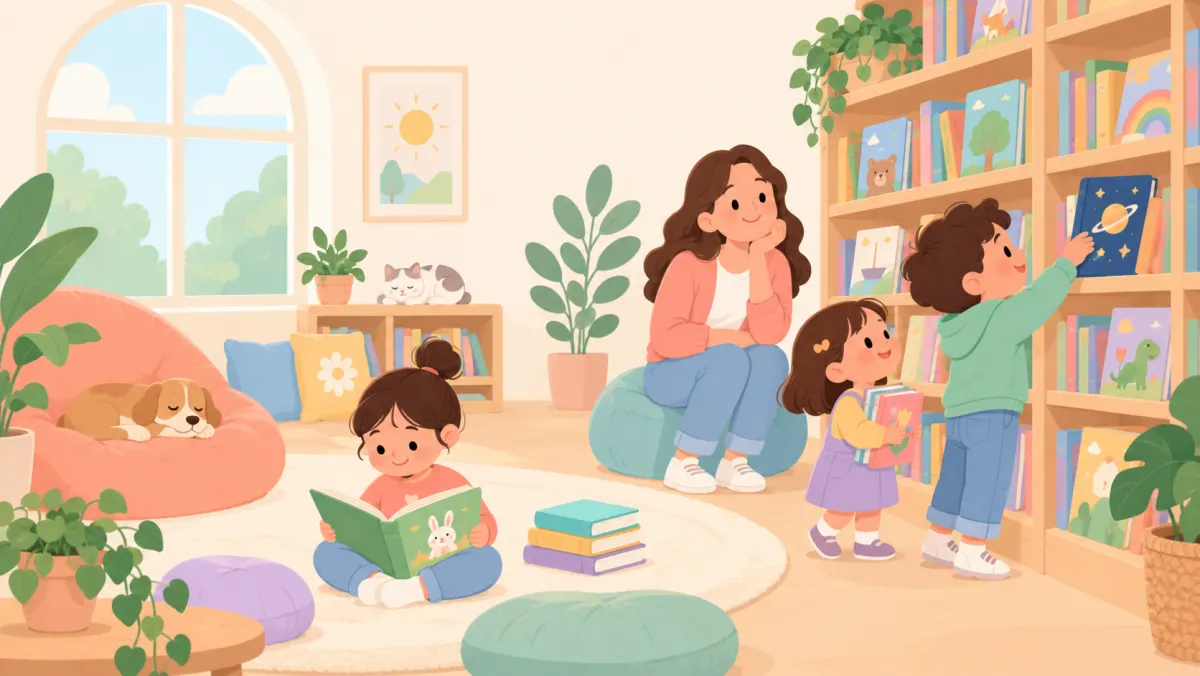
Library reading challenges give children a simple goal during school breaks or special reading seasons. Many libraries invite kids to track books, minutes, or reading activities in ways that make progress visible and fun. These programs can include different types of reading choices, so children can explore stories at their own pace while feeling involved.
For many families, the appeal is not the final number of books finished. It is the feeling of choosing stories, visiting the library, and building a personal reading routine that belongs to the child. A challenge can turn a regular library visit into something children look forward to throughout the summer.
Why do kids love reading challenges?
Children who devour reading challenges often enjoy the freedom to pick topics, characters, and formats that interest them. A child may move between funny stories, mysteries, facts, comics, or picture books while still practicing important reading habits. Having a goal can make their choices feel exciting and give them a reason to keep exploring.
The challenge structure can add excitement because each small step feels like an accomplishment. Parents can support this by celebrating curiosity and conversations about books, not only the amount of reading completed. A favorite character or surprising story detail can be just as meaningful as finishing a book.
How can parents support summer reading?
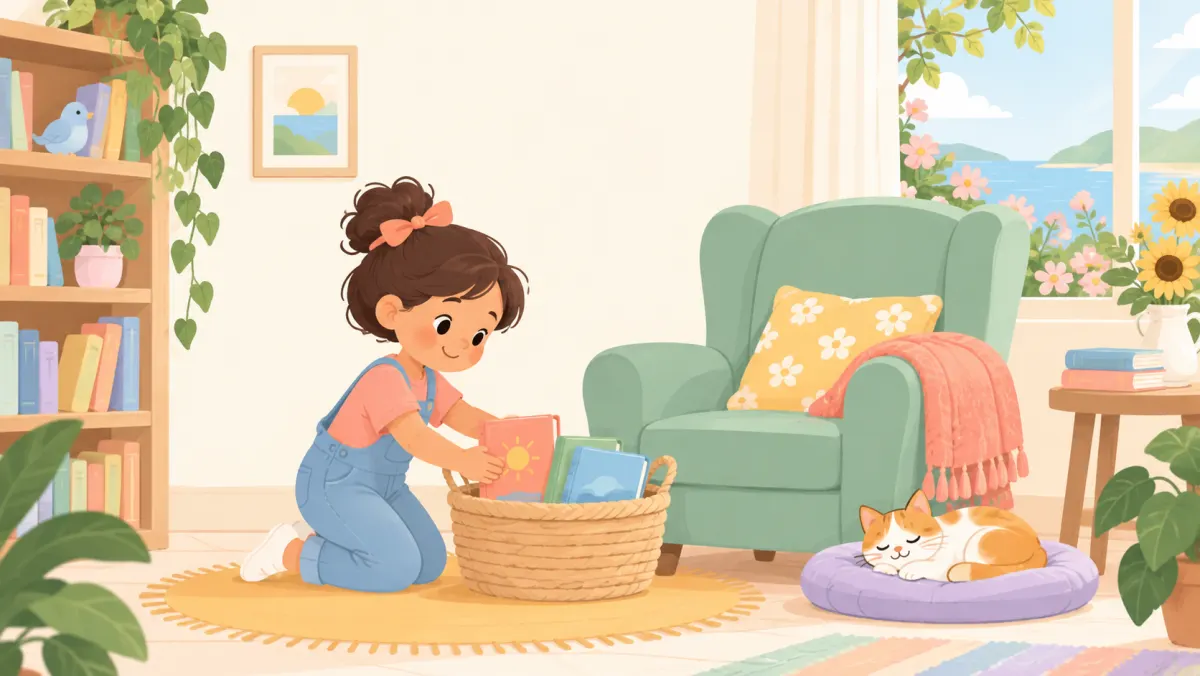
Parents can make a summer reading challenge kids experience feel relaxed by creating time and space for books at home. A basket of library finds, a cozy reading corner, or a regular quiet moment can make reading easier to return to. Simple routines help children remember that books are part of everyday family life.
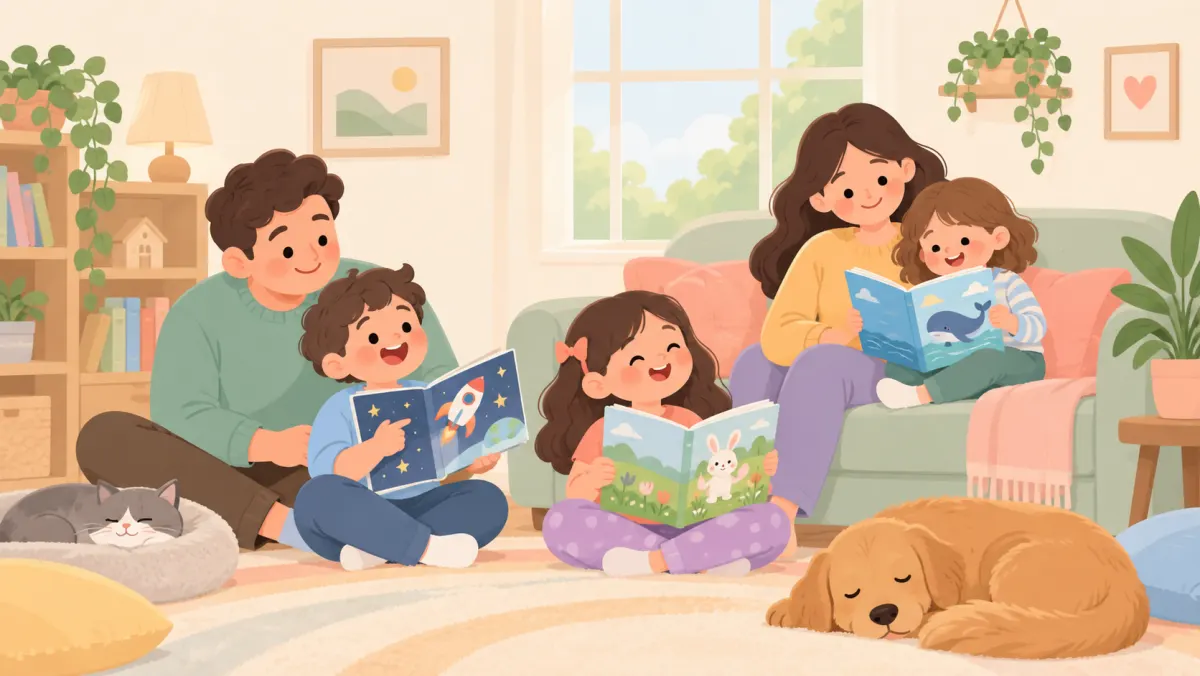
Children also benefit when adults show interest in their choices. Asking what happened in a story or what they liked about a character can turn reading into a shared family activity. These conversations show children that their thoughts about books are worth hearing and can make reading feel like a connection instead of a task.
What makes library reading goals special?
Libraries create welcoming places where children can explore many kinds of stories without needing to buy every book they want to try. Reading challenges often encourage visits, discovery, and conversations with librarians about new choices. Children can find books that match changing interests as they grow and learn.
For children who love collecting stories, the library can feel like a place full of possibilities. The simple act of returning for another book can become a summer habit that continues beyond the challenge. Each visit offers another chance to discover a new idea, world, or character.
How can reading become a daily habit?
A reading challenge works best when it fits naturally into family life. Some children enjoy reading after breakfast, before bed, or during quiet afternoons when screens are put aside for a while. Parents do not need complicated plans, because a few consistent moments with books can create a positive pattern.
The most lasting part of a summer reading challenge kids join may be the confidence that comes from finishing stories and finding books they truly enjoy. Small routines can help children see themselves as readers. Over time, choosing a book can become a normal and enjoyable part of the day.
Parents also ask
How can I get my child interested in a summer reading challenge?
Start by letting your child choose books that match their interests, whether that means animals, adventures, jokes, or facts. A library visit, a cozy reading spot, and regular encouragement can make the experience feel exciting.
Should my child read a certain number of books?
There is no single number that works for every child. The goal of a reading challenge is to encourage enjoyment and consistency. Let your child explore books at a comfortable pace and celebrate their effort.
What if my child loses interest during the challenge?
Try changing the type of books available or visiting the library together to find new options. Children often reconnect with reading when they discover a story style, topic, or character that captures their attention.
Practical ideas from our team, not medical advice. For anything about your child's health, sleep, or development, please check with your pediatrician.
Turn today's idea into their own story
Make a 1-minute animated story where your child is the hero.
Start A Story