
How Do Kids Practice Spelling Words
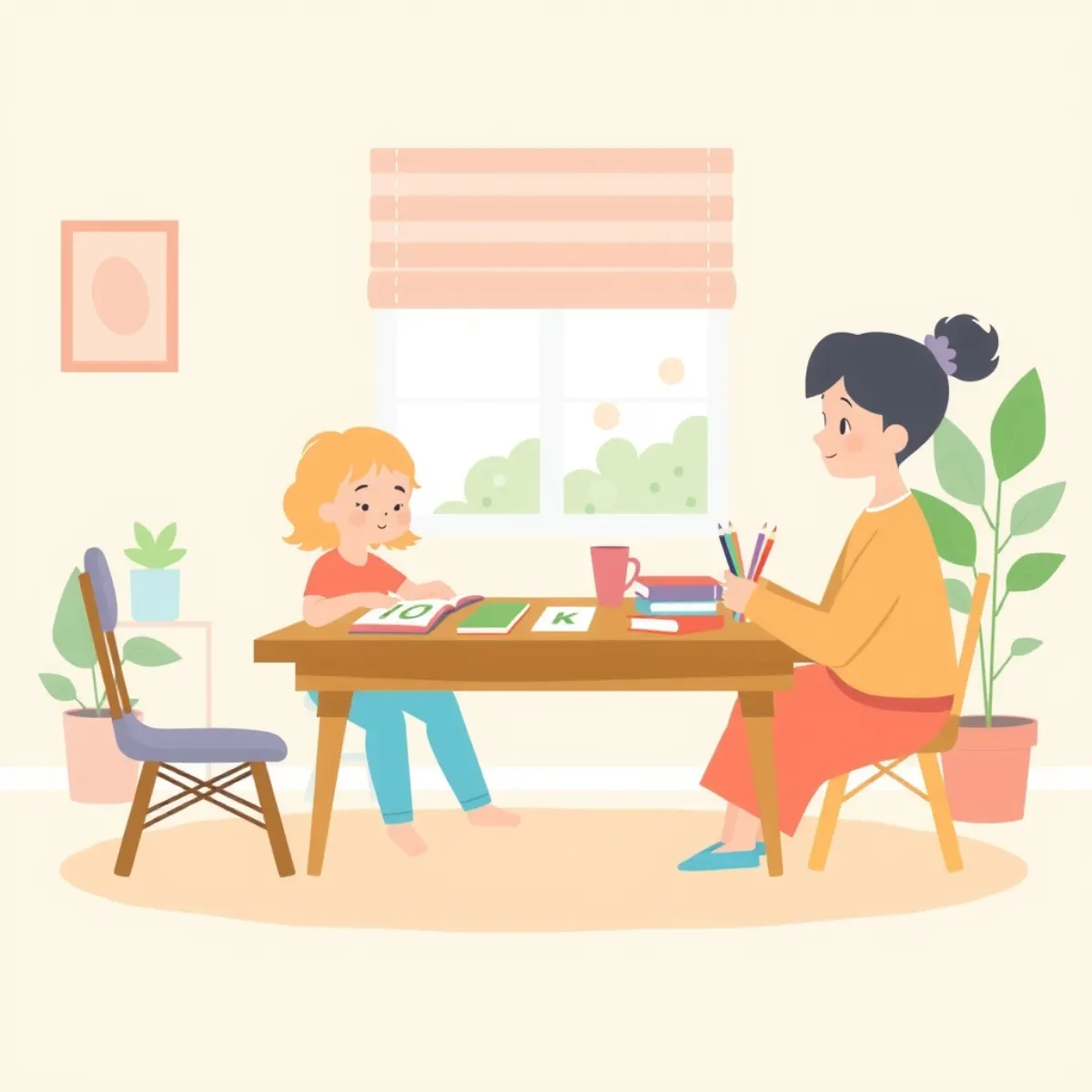
Spelling contests often look like tests of memory, but children are also practicing listening, focus, and careful thinking. A child learns to remember letter patterns, sound combinations, and word parts through repeated practice. The goal at home is not perfection, but building a calm routine where learning feels manageable.
Parents can help by creating short practice moments that fit into everyday life. Reading together, discussing tricky words, and celebrating small improvements can make preparation feel positive. A relaxed approach helps children see spelling as a skill they can build instead of a challenge they must fear.
Why Spelling Practice Builds Memory
Many children prepare for spelling contests by breaking large word lists into smaller groups. They may practice a few words at a time, say them aloud, write them down, and review words they find difficult. These simple steps give the brain more chances to remember information.
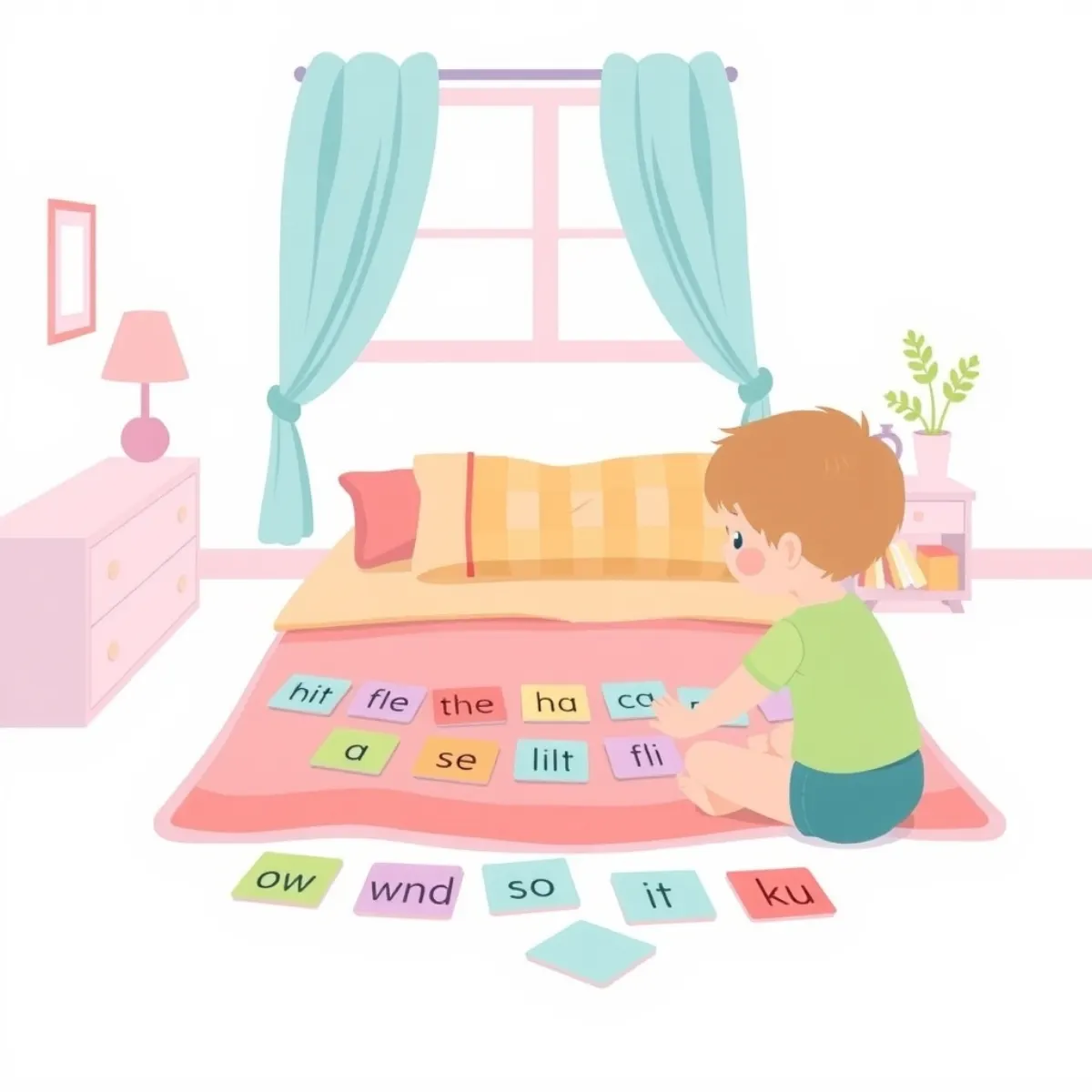
Memory practice works best when children use different ways to interact with words. They can trace letters in the air, create word cards, or explain why a spelling pattern makes sense. Changing activities keeps practice from becoming a boring repetition of the same task over time.
How To Handle Spelling Mistakes
Spelling preparation can teach children that mistakes are part of learning. When a word is misspelled, children can look at the pattern, try again, and notice what they need to remember next time. This process builds patience and a willingness to keep practicing with new and challenging words.
Parents do not need to turn every moment into a lesson. A few focused minutes after dinner or before bedtime can be enough for many families. The most helpful support is often showing interest, asking about practice, and encouraging children to share what they learned.

What Makes Spelling Practice Enjoyable
Every child prepares differently for a spelling contest. Some enjoy speaking words aloud, while others prefer writing, drawing connections, or using stories to remember meanings. Parents can watch what works best and help create a routine that matches their child's favorite learning style and natural interests.
Spelling practice can become more enjoyable when children connect words with ideas. They might explore word origins, read stories containing new vocabulary, or use new words in conversations. These activities add meaning and help children remember words beyond a single contest experience.
How Parents Can Support Learning Goals
Spelling contests can be a chance for children to celebrate effort, preparation, and growth. The memory skills used during practice can support many areas of learning, from reading to organizing information. What matters most is helping children feel proud of their progress and the work they have completed.
Families can keep the experience balanced by focusing on curiosity instead of pressure. A child who enjoys learning new words may carry that confidence into future challenges. Simple encouragement, steady practice, and time to rest all have a place in the journey for every child.
Parents also ask
How can my child start spelling bee preparation at home?
Start with short practice sessions using a few words at a time. Let your child say, write, and review words in different ways. Keep the routine calm and focus on steady improvement rather than trying to learn everything at once.
How often should kids practice spelling words?
Practice frequency depends on the child and the goal. Many families find that regular short sessions work better than occasional long sessions. The important part is creating a routine that feels comfortable and allows time for review.
What should parents do when children misspell words?
Treat mistakes as learning moments. Help your child look at the spelling pattern, practice the word again, and notice what changed. Encouragement can help children stay interested and continue improving their skills.
Practical ideas from our team, not medical advice. For anything about your child's health, sleep, or development, please check with your pediatrician.
Turn today's idea into their own story
Make a 1-minute animated story where your child is the hero.
Start A Story