
What are signs of a very bright toddler?
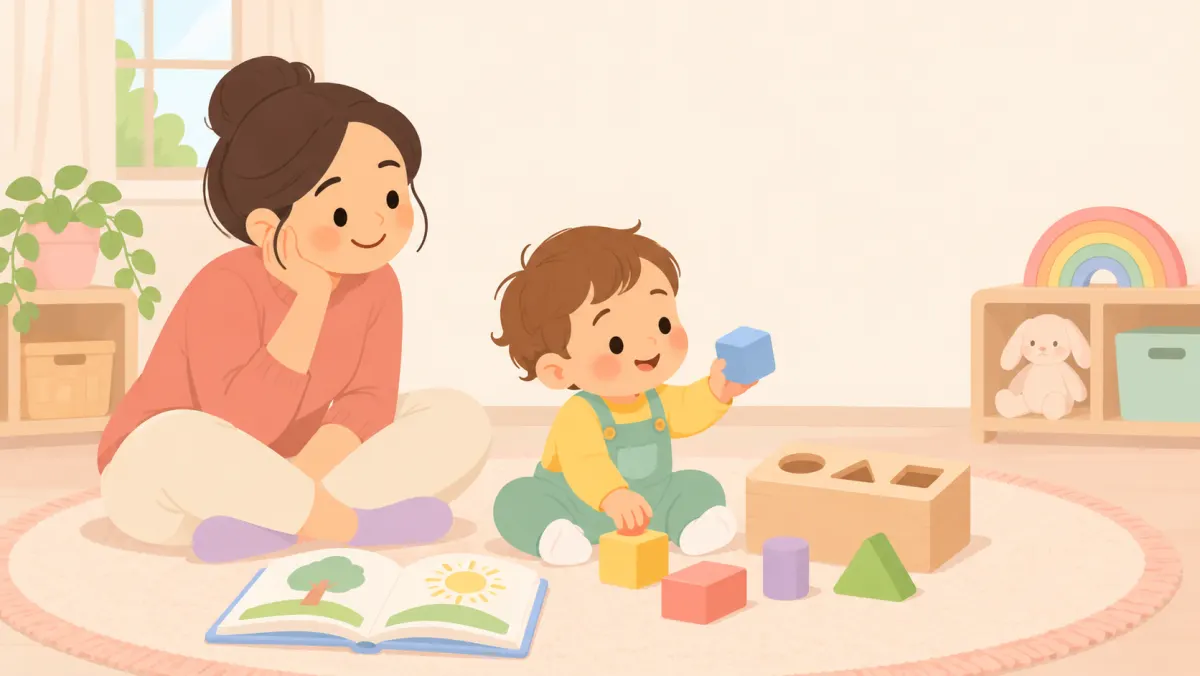
You might notice your toddler remembering something you mentioned days ago, recognizing a place after just one visit, or picking up a new word and using it in the right situations. Some children spot details you'd never think to look for, too. Maybe they notice a missing toy or point out that a familiar book has a different picture on the cover. It's lovely to see how much they take in.
You might also hear endless questions, see an interest in puzzles, or notice that your child enjoys spotting patterns. Perhaps they move a cushion to reach a favorite toy or work out how to open a container they've struggled with before. Watch how they tackle little problems. That's more telling than how many letters, numbers, or clever tricks they can show you.
Does an early vocabulary mean high intelligence?
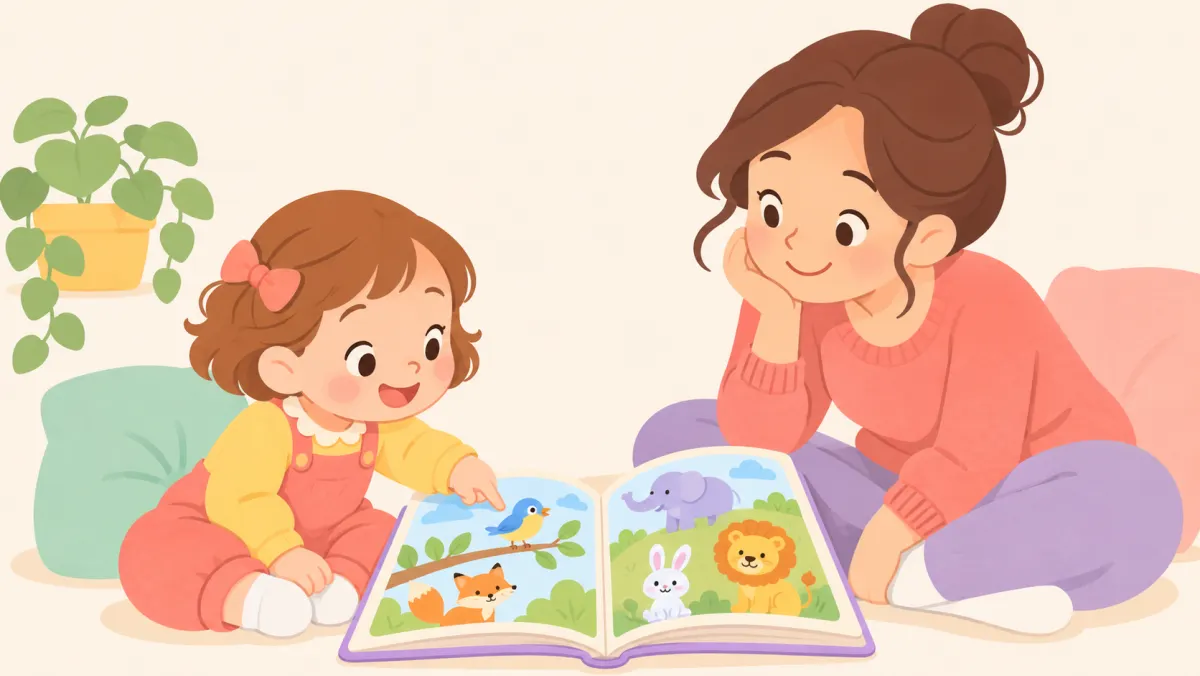
Some toddlers start talking early and seem to collect new words by the day. Yours might use a word correctly after hearing it once, tell you what happened earlier, or come out with a question you weren't expecting. Other children spend more time watching, pointing, and using facial expressions before their spoken words really take off. Both can be perfectly normal.
Pay attention to the little conversations you have throughout the day. At dinner, your toddler might tell you that an apple is crunchy. In the bath, they might connect a floating toy to something they saw outside. Talk back, introduce a new word now and then, and give them time to answer. You don't need flashcards or vocabulary drills. Everyday chat is plenty.
Why is curiosity a sign of bright thinking?
Why does the block fall? Where does the bathwater go? Why does the dog make that noise? A curious toddler wants to know what happens next. They may drop the same toy over and over, watching carefully each time. Yes, it can get repetitive. But they're testing what happens and seeing whether the result changes.
When something catches your child's attention, stay with it for a few minutes. If they're fascinated by shadows, grab a flashlight and make shapes on the bedroom wall. If they love birds, watch them through the window and talk about their colors and sounds. You don't have to know all the answers. I'm not sure, let's find out is a perfectly good thing to say.
How can you help a bright toddler learn?
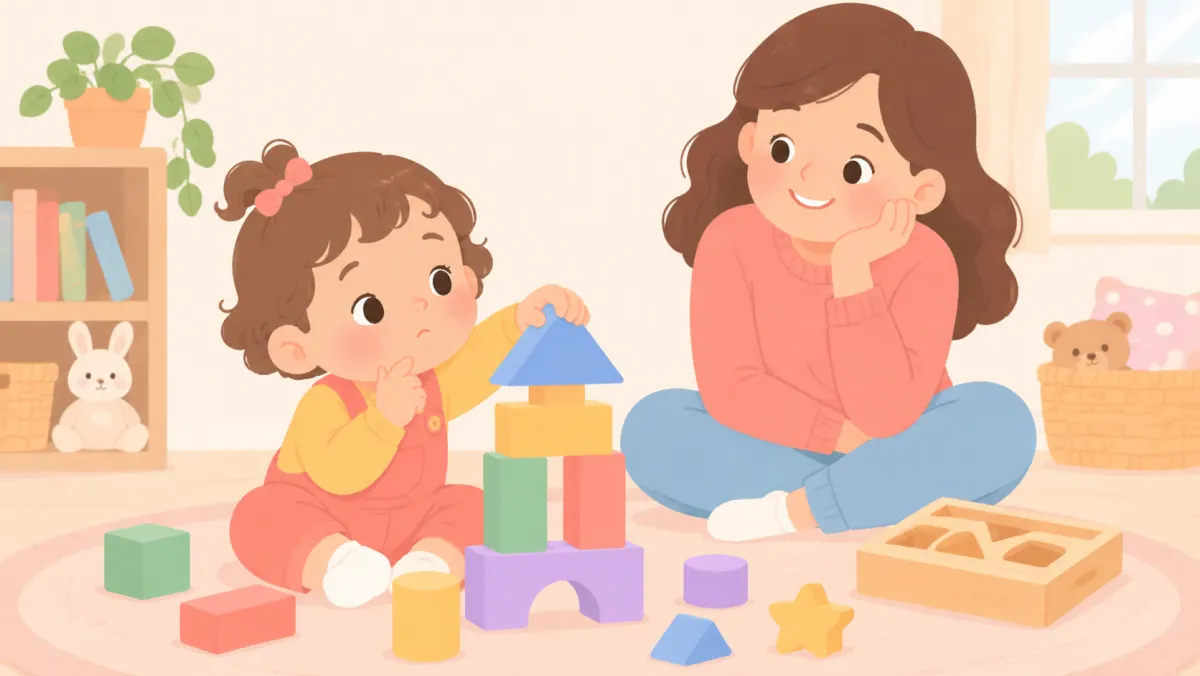
Choose activities where your child gets to make some decisions. Wooden blocks, matching games, chunky puzzles, picture books, and pretend kitchens are all good places to start. Bring them into everyday jobs, too. They can sort clean socks, find the right lid for a container, or help put fruit in a bowl. Nothing fancy. These little jobs give them something real to work out.
Notice what keeps your toddler interested, then make things a little harder when they're ready. If they finish a puzzle without much thought, try one with a few more pieces. If they love drawing, put out washable crayons and some large sheets of paper. Let them play their own way, and don't insist they finish. When they're tired, it's time to stop, not bring out another activity.
Should you challenge your toddler more?
It's easy to get carried away when your toddler seems ahead of other children their age. Maybe they recognize letters or count the apples in the cereal aisle. That's exciting. But they still need ordinary play, plenty of movement, rest, and affection. Pushing formal lessons too soon can make something they enjoy feel like homework. Follow their interests instead of racing to the next milestone.
Watch what happens when they get stuck. They might try a different approach, ask you to help, or wander off and come back later. All of those are fine. Be specific when you praise their effort: You kept trying different pieces until that one fitted. Tonight, skip the worksheets and spend ten minutes building something together. Let your toddler decide what you're making.
Parents also ask
At what age can you recognize signs of high intelligence in toddlers?
You may notice interesting learning patterns between ages one and three, such as a strong memory, early language, or unusual curiosity. But toddlers change quickly. These behaviors can't reliably tell you whether a child is gifted, and every child develops at a different pace.
Can a toddler be intelligent without talking early?
Absolutely. Talking is just one part of learning. Your toddler might show curiosity through gestures, careful observation, problem-solving, imitation, or imaginative play. Some children take longer to speak while showing strong abilities in other areas.
What should I do tonight to encourage my toddler's intelligence?
Start with something your child already enjoys. Read a picture book, build a block tower, or see what rolls down a gentle slope. Ask what they think will happen, listen to their answer, and try it together. Keep it fun and follow their lead.
Practical ideas from our team, not medical advice. For anything about your child's health, sleep, or development, please check with your pediatrician.
Turn today's idea into their own story
Make a 1-minute animated story where your child is the hero.
Start A Story