
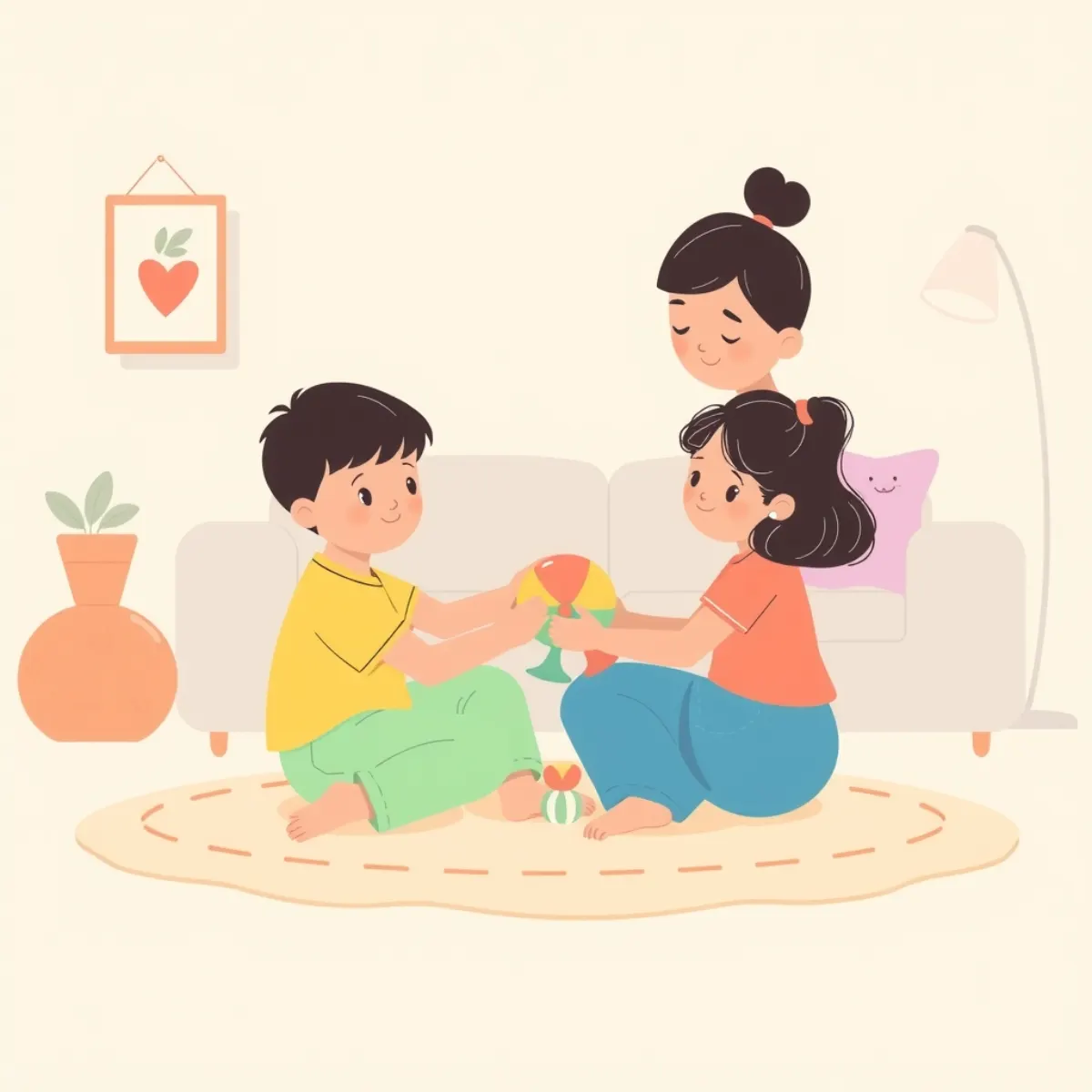
Why sibling rivalry gets worse
Sibling conflicts often grow when children feel they are competing for attention, toys, or approval. A parent can reduce tension by looking at the pattern behind the argument instead of deciding who started it. The goal is not to find a winner, but to help children learn better ways to handle disagreements together.
Keeping score can make ordinary moments feel like a contest. Instead of tracking who got more time, praise, or turns, try noticing each child's needs in that moment. A calm response teaches siblings that fairness does not always mean everything is identical, it means everyone is considered.
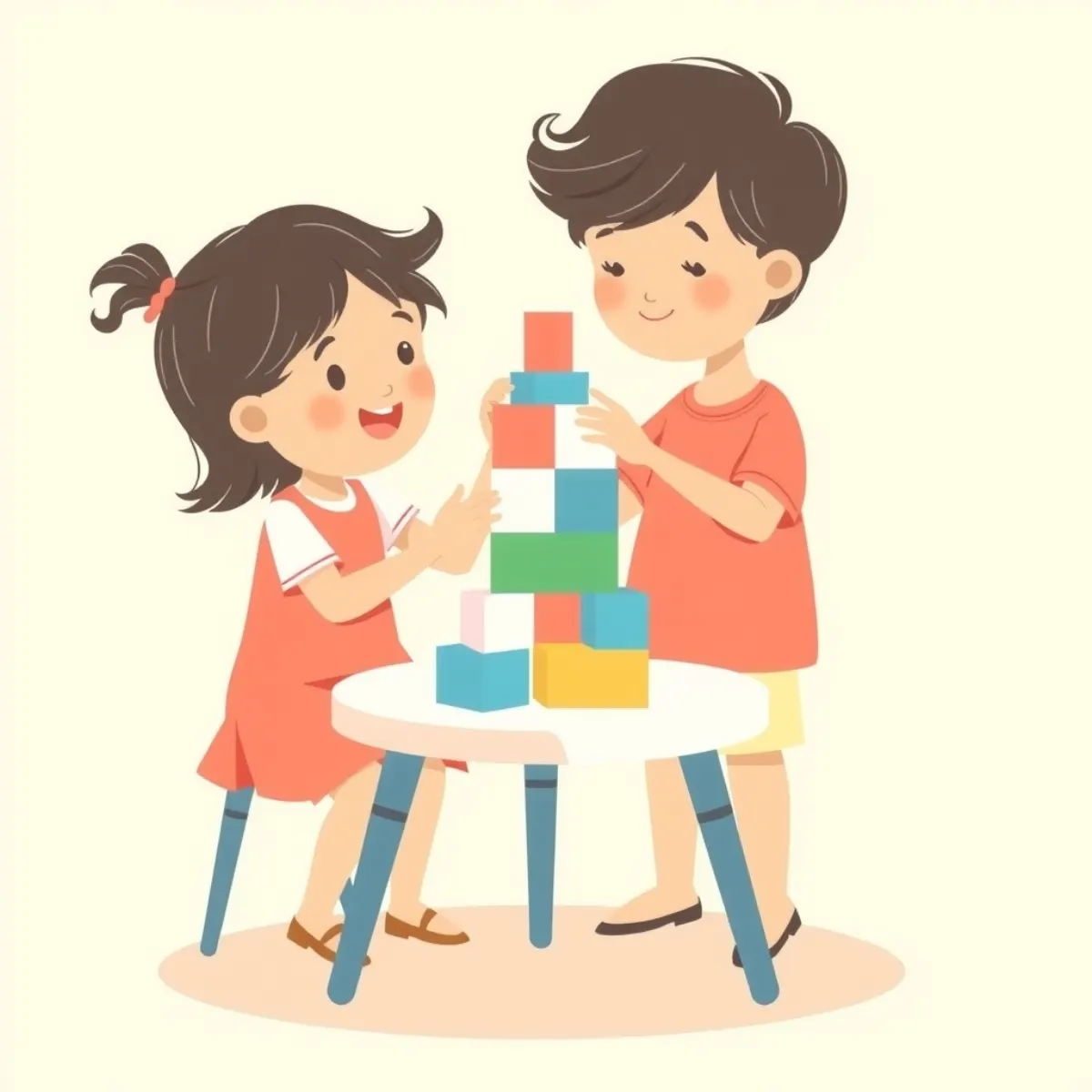
How to stop comparing siblings
Many parents compare children without meaning to, especially during busy routines. Comments about who is faster, quieter, or more helpful can create pressure between siblings. Replace comparisons with specific observations, such as saying one child worked hard or another child showed kindness during a difficult moment.
Children often respond better when they know what is expected instead of guessing who is doing better. Try setting family rules about taking turns, speaking respectfully, and solving problems. These shared expectations give siblings a common path forward without making them compete for a parent's approval.
What to say during sibling fights
When a fight starts, children often need a parent who can slow the moment down. Use simple phrases that focus on the problem, like asking what happened and what each child needs. Avoid labels such as the mean one or the sensitive one because those words can stick.
A helpful response does not require a perfect solution every time. Sometimes the best step is helping children take a short break, calm their voices, and return when they are ready to listen. This shows them that disagreements can be repaired instead of simply ending with someone losing.
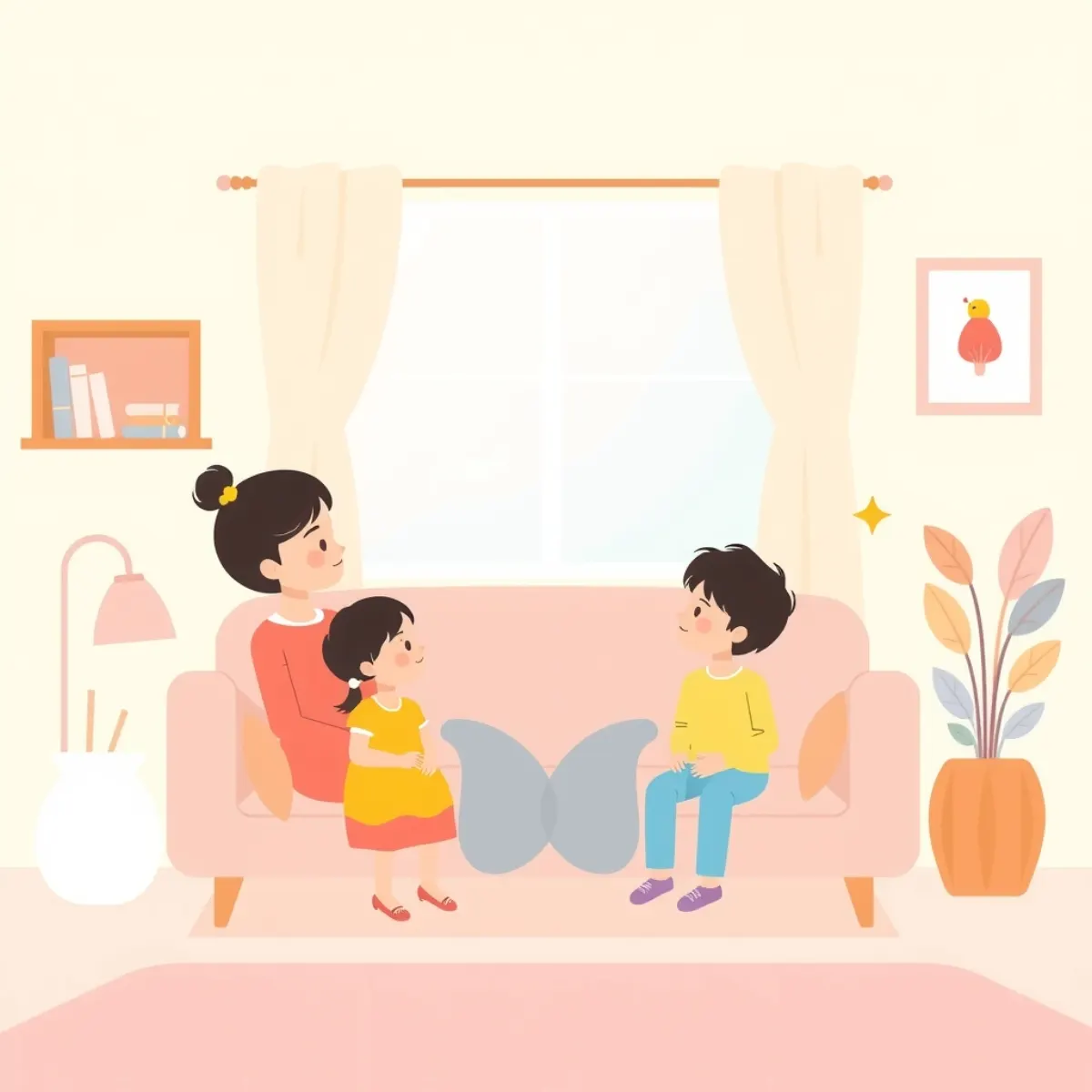
How to give equal attention
Children may ask for fairness when they really want connection. Create small moments with each child, even during normal routines like bedtime, meals, or car rides. Individual attention can help children feel seen without turning family life into a competition over who receives the most time.
Try creating family habits where siblings work together rather than against each other. A shared game, a simple chore, or a creative project can give them a chance to cooperate. Celebrate the effort they make as a team, while still appreciating each child's unique personality and choices.
How to build sibling teamwork
Small teamwork moments can change the way siblings see each other. Invite children to help with simple family tasks, make plans together, or solve a shared challenge. The focus is not on making them agree all the time, but on giving them more chances to practice cooperation.
Parents can model the behavior they hope to see by listening carefully and admitting mistakes. When children watch adults handle conflict with patience, they learn that relationships can recover after hard moments. Over time, these everyday examples can become part of how siblings treat one another.
Parents also ask
Should I treat my children exactly the same to avoid rivalry?
Not always. Children have different needs, ages, and personalities. Aim for fairness by making sure each child feels valued and understood rather than making every rule, gift, or moment exactly equal.
What should I do when siblings keep arguing?
Start by helping children calm down before solving the problem. Listen to each child's view, name the issue clearly, and guide them toward a solution instead of deciding who deserves blame.
How can I encourage siblings to get along better?
Create more chances for cooperation through shared activities and family routines. Notice moments when siblings help each other, and point out those positive choices without comparing one child to another.
Practical ideas from our team, not medical advice. For anything about your child's health, sleep, or development, please check with your pediatrician.
Turn today's idea into their own story
Make a 1-minute animated story where your child is the hero.
Start A Story