

What Should I Say First?
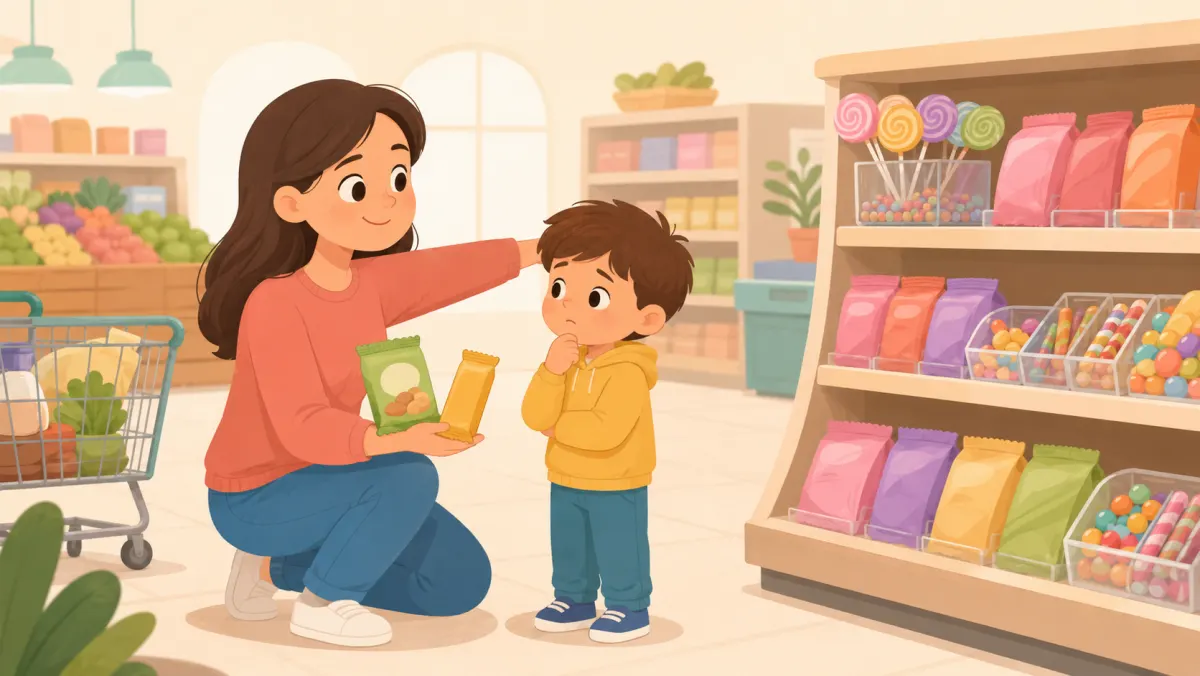
Start with a short answer your child can understand right away. Try, “No, we are not buying that today,” or, “No, screen time is finished.” Keep your voice even and avoid turning the first sentence into a lecture. A clear answer gives your child less to debate and helps you sound settled instead of uncertain.
Then add one brief line of connection if it fits the moment. You might say, “I know you wanted more time,” or, “You really liked that toy.” You are not changing the answer. You are showing that you understand the feeling while keeping the boundary exactly where it is. That combination can make a firm no feel less harsh.
How Do I Stay Kind?
Kind does not mean vague. If you say, “Maybe later,” when you already know the answer is no, your child may keep asking because the door still sounds open. Use warm words with a definite limit. “I know you are disappointed, and the answer is no,” is kinder than snapping, but it is also clearer than leaving the decision up for debate.
Your tone matters as much as your wording. Lower your volume instead of matching your child’s intensity. Keep your face relaxed if you can, and avoid sarcasm, teasing, or threats you do not plan to use. You do not need to sound cheerful. Calm and respectful is enough, especially when your child is upset and looking for signs that the limit might change.
What If My Child Argues?
Expect some pushback, especially if your child is used to getting a longer discussion. You do not have to answer every new argument. Pick one calm sentence and repeat it. “I hear you. The answer is still no,” works well because it acknowledges the protest without reopening the decision. Repetition keeps you from getting pulled into a debate you never meant to start.
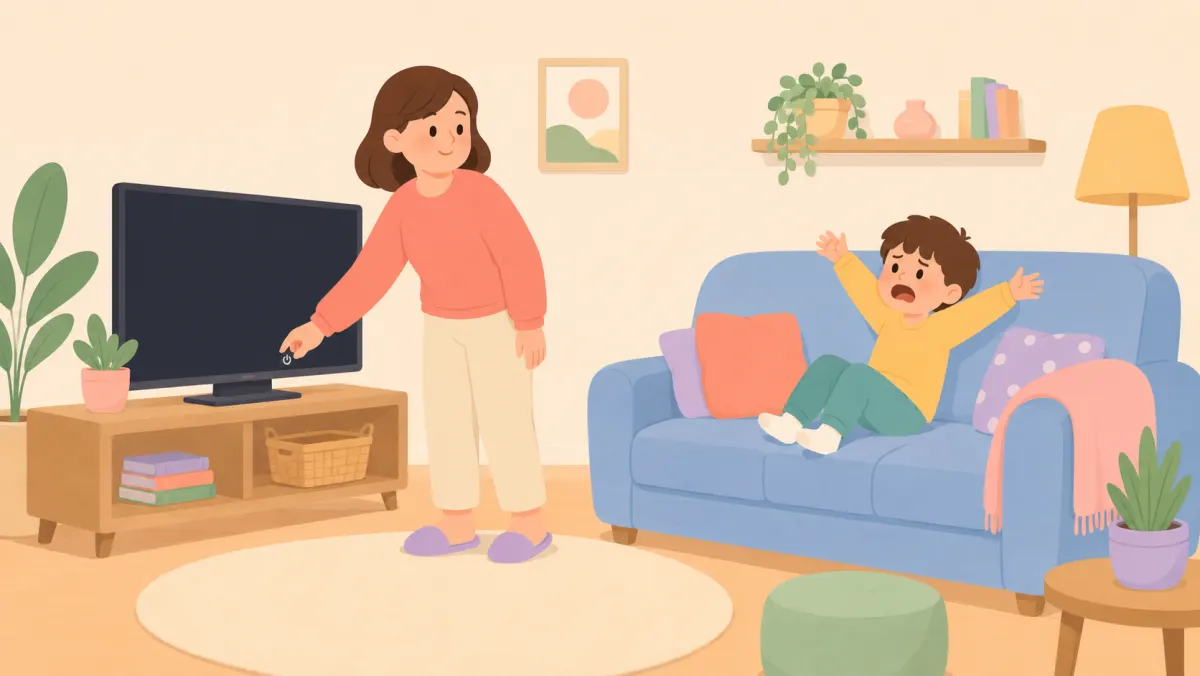
If the arguing keeps going, shift from explaining to action. Turn off the device, leave the store aisle, put the candy away, or move on to the next part of the routine. The action should simply match the limit you already stated. You are not punishing your child for being disappointed. You are showing that your words mean what they say.
Should I Offer Another Choice?
A small choice can help when the limit itself is not negotiable. If the answer is no to another cookie, you might offer fruit or yogurt. If the answer is no to more screen time, let your child choose between coloring and blocks. Keep both choices acceptable to you, and do not use the choice as a hidden way to bargain over the original no.
Choices work best when they come after the boundary, not instead of it. Say the no first, then offer the next step. “No, we are not staying at the park. You can hop or walk to the car.” The child still has some control, but you stay in charge of the limit. This is especially useful during transitions, when children often resist being told what comes next.
How Do I Follow Through?
Follow-through is what makes a calm no believable. If you say there will be no second episode, end the show after the first one. If bedtime is after one story, close the book when that story is finished. Try not to add a new consequence just because your child complains. The goal is simply to carry out the limit you already gave.
If you change your mind, say so clearly instead of pretending the earlier no never happened. Sometimes new information really does change a decision. You can say, “I said no before, but I have changed my mind because we have extra time.” That teaches your child that adults can reconsider thoughtfully, while still showing that persistent arguing is not what changes the answer.
Parents also ask
What if my child cries when I say no?
Let the crying happen without rushing to remove the limit. Stay nearby, keep your words simple, and acknowledge the disappointment. You can comfort your child and still keep the answer the same. The goal is not to stop every upset feeling, but to stay steady while it passes.
How many times should I explain my reason?
Usually once is enough for an everyday limit. Give a short reason if it helps, then stop adding new explanations. Repeating more and more reasons can accidentally turn the moment into a negotiation. If your child keeps asking, repeat the same calm answer and move forward.
Is it okay to say no without giving a reason?
Yes, especially when the limit is simple or the moment is busy. A reason can help, but you do not owe a long explanation every time. You can say, “No, not today,” and still be respectful. Save longer conversations for calmer moments when your child can actually listen.
Practical ideas from our team, not medical advice. For anything about your child's health, sleep, or development, please check with your pediatrician.
Turn today's idea into their own story
Make a 1-minute animated story where your child is the hero.
Start A Story