
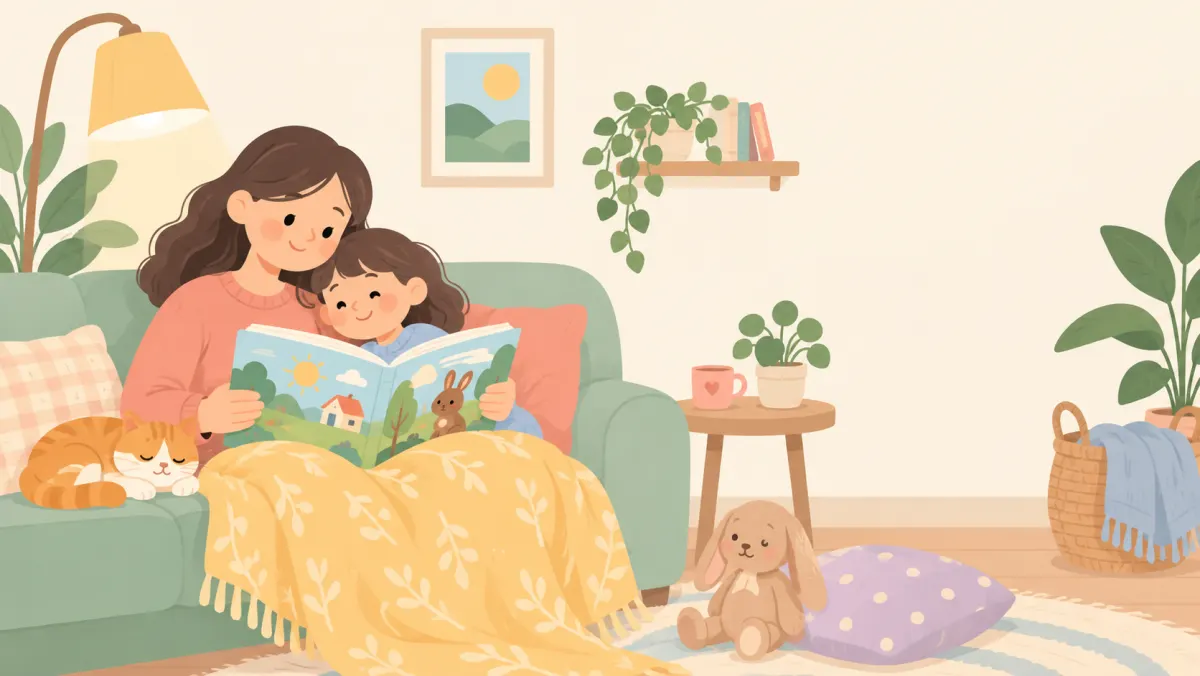
Why Is Reading Aloud So Valuable
Reading aloud combines several useful things in one small activity. Your child hears clear language, follows a sequence of events, notices new words, and gets practice holding an idea in mind from one page to the next. Unlike many structured activities, there is almost nothing to prepare. You can start with whatever book is already nearby and stop after a few pages.
It also gives you something shared to focus on. Instead of asking broad questions such as how was your day, you can react to a character, laugh at a picture, or wonder what might happen next. That shared attention often makes conversation feel easier. The goal is not to teach a lesson from every page. Simply enjoying the story together is useful.
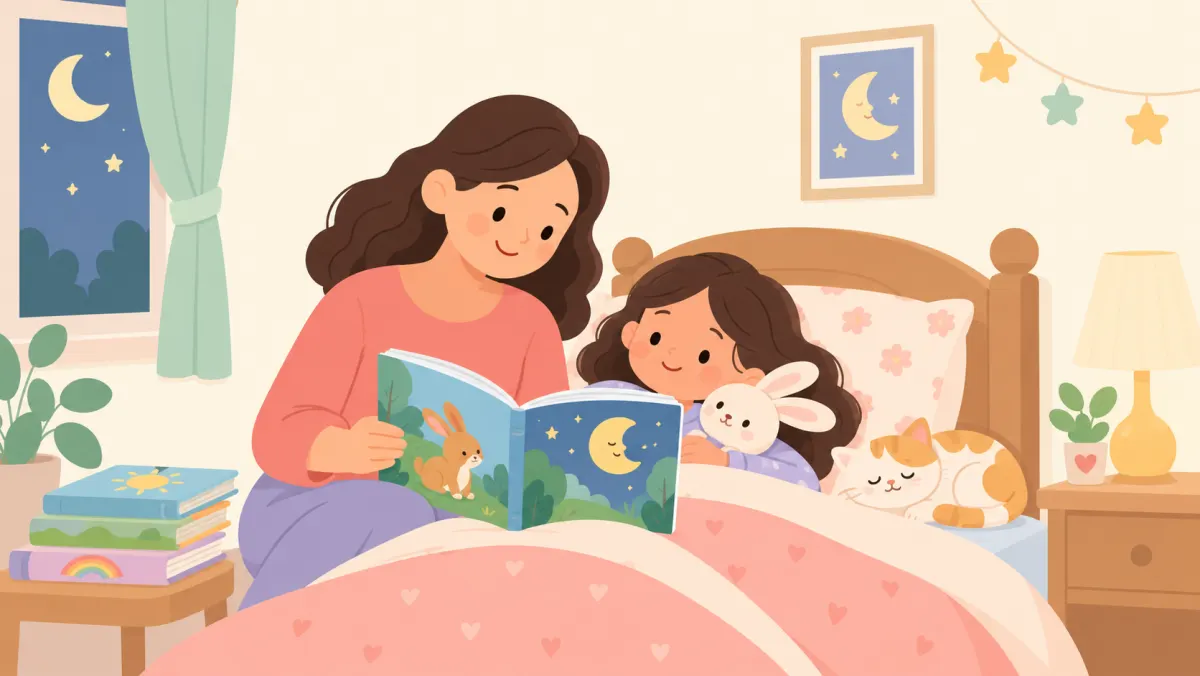
What Can Five Minutes Really Do
Five minutes may feel too short to matter, especially on a busy evening, but it is enough time for a picture book, a chapter section, or several pages of a longer story. Short sessions are easier to repeat, and repetition matters more than turning every reading time into a big event. A child who knows reading happens regularly can settle into the routine quickly.
Keep the bar low enough that you can actually do it. Read while dinner finishes, before brushing teeth, or while everyone is waiting for pajamas to come out of the dryer. You do not have to finish the book. Put in a bookmark and continue tomorrow. A calm five-minute habit is more useful than an ambitious routine that rarely happens.
How Should I Read With My Child
Read naturally, as if you are telling the story to someone you like. Change your voice when it feels fun, but do not turn every page into a performance. Pause occasionally so your child can point, comment, or ask something. If they interrupt to talk about a picture, that is not ruining the reading. They are engaging with what they see and hear.
You can ask simple questions without quizzing them. Try what do you think happens next, which part was funny, or where did the dog go. If your child does not want to answer, keep reading. Conversation should feel optional. For younger children, naming objects and copying sounds works well. Older children may prefer talking about choices, surprises, or favorite characters.
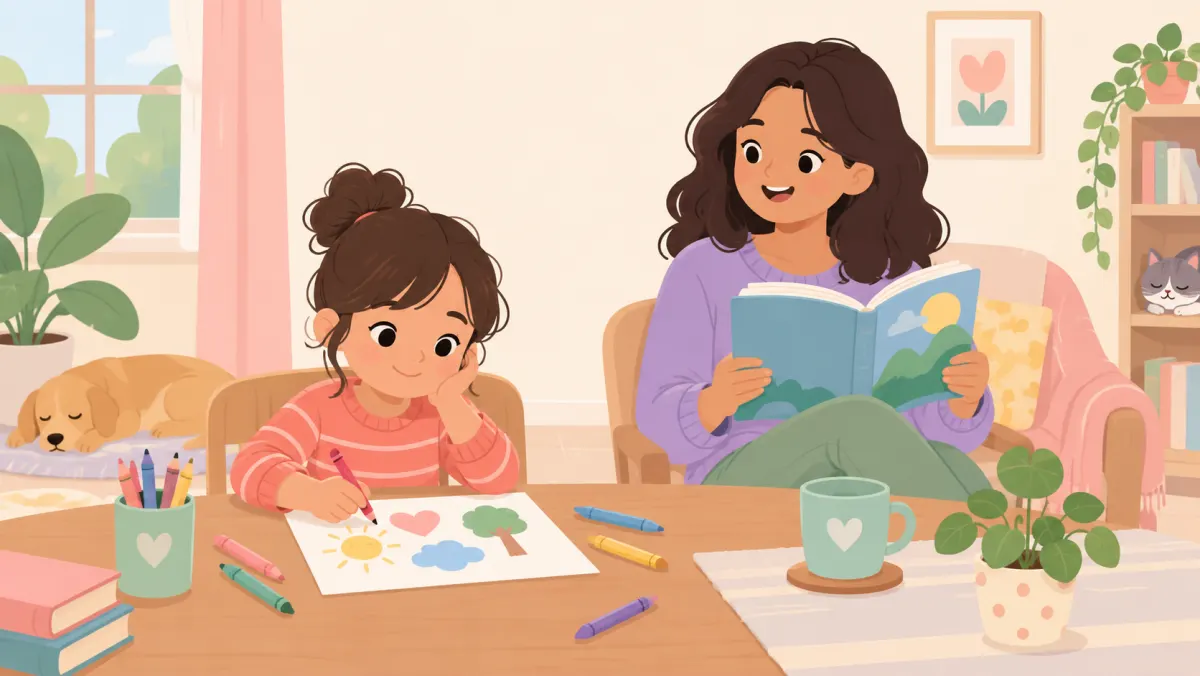
Which Books Work Best Tonight
Choose the book your child is most likely to enjoy, not the one that looks most educational. Familiar favorites are completely fine. Repetition lets children notice details they missed before and gives them a chance to join in with phrases they remember. For toddlers, sturdy picture books with clear images work well. For older children, humor, mysteries, adventures, comics, and nonfiction can all make good read-aloud choices.
Let your child choose when possible, even if you have read the same book many times. If the selection is long, agree to read a few pages or one short chapter. You can also take turns choosing on different nights. The best book for a five-minute reading habit is usually the one that makes both of you willing to come back tomorrow.
How Do I Make Reading Stick
Attach reading to something that already happens every day. You might read after bath time, while your child eats a bedtime snack, or just before lights out. Keeping books where you naturally sit together removes one more barrier. A small basket beside the couch or a few favorites near the bed can make starting almost automatic.
Do not worry about missed nights. Resume the next time you can without turning it into a problem. You can also let the routine change as your child grows. A preschooler may want picture books, while a ten-year-old may enjoy listening to a novel while drawing. The habit stays useful because the format can grow with your family.
Parents also ask
Does reading aloud still help once my child can read alone?
Yes. Independent readers can still enjoy hearing stories that are longer or more challenging than books they would choose alone. Reading together also creates an easy chance to talk about characters, ideas, humor, and new words without making the time feel like schoolwork.
What if my child will not sit still for a book?
They do not have to sit perfectly still. A young child can listen while holding a toy, coloring, or moving nearby. Start with a very short book and keep the mood relaxed. If interest disappears, stop and try again later rather than turning reading into a struggle.
Should I correct every word when my child reads with me?
Not every time. If your child is joining in, let the story keep moving unless they ask for help or the mistake changes the meaning. Too many corrections can interrupt the pleasure of sharing the book. Save detailed reading practice for a separate moment when needed.
Practical ideas from our team, not medical advice. For anything about your child's health, sleep, or development, please check with your pediatrician.
Turn today's idea into their own story
Make a 1-minute animated story where your child is the hero.
Start A Story