
Why Praise Effort Instead of Talent?
When your child finishes a drawing, solves a puzzle, or remembers a tricky word, it is easy to say they are so smart. Try shifting the praise toward what happened instead. You stayed with that even when it got hard. You tried a different way. You kept adding details. This helps your child notice the actions they can repeat next time.
You do not need to ban compliments about ability. The goal is simply to make effort, choices, and progress more visible. Tonight, listen for one moment when your child works through frustration, practices, checks their work, or starts again. Name that specific behavior in one calm sentence, then move on without turning it into a speech.
What Does Effort Praise Sound Like?
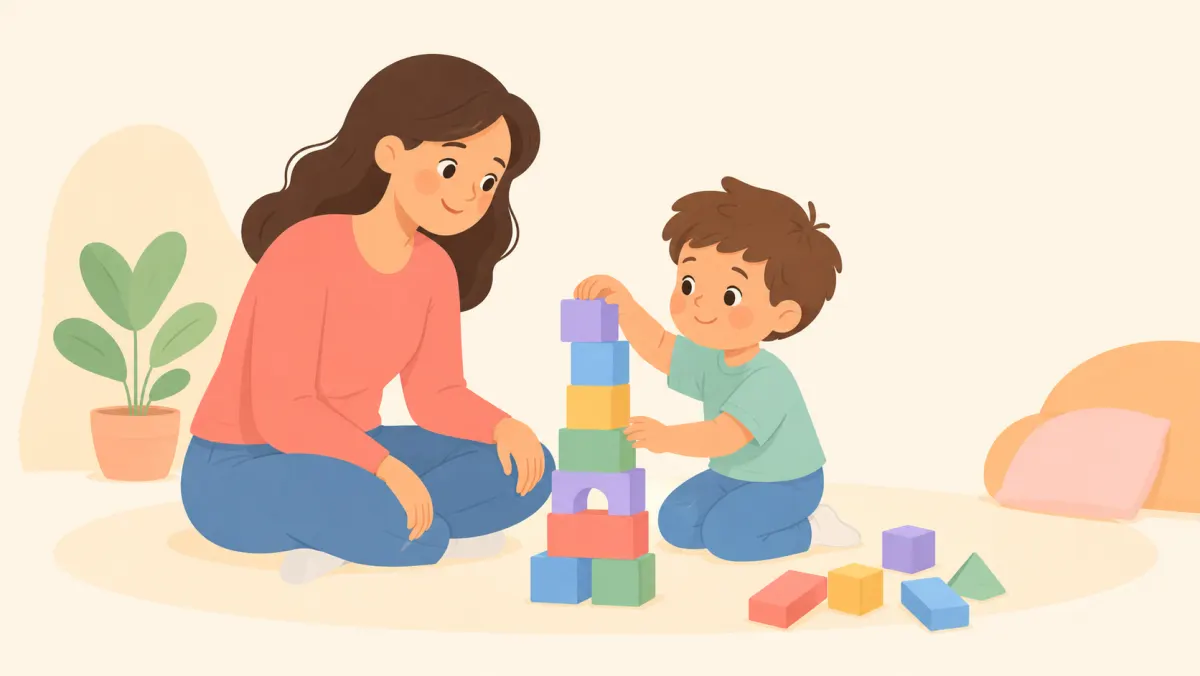
The easiest effort praise describes something you actually saw. Instead of giving a general great job, say, You kept stacking those blocks after they fell. Instead of calling your child a natural reader, say, You slowed down and sounded out that word. Specific praise feels believable because your child can connect your words to a real action they just took.
Keep the sentence short enough to sound natural. You can mention persistence, strategy, attention, practice, patience, or improvement. Try, You checked your answer twice, or, You practiced that part until it felt easier. The point is not to praise every tiny action. Notice the moments when your child makes a choice that helped them move forward.
What Should I Say After Failure?
If your child says they are bad at something, resist jumping straight to telling them they are great at it. That answer may feel comforting, but it can miss what your child is experiencing. Try saying that the part is hard right now, then ask what they have tried already. Notice the next useful step, even if the finished result is still messy or incomplete.
You can also remind them of progress without promising success. Say that yesterday they needed help with every step, and today they completed the first two independently. This keeps the focus on change they can see. If they are tired or upset, praise can wait. Sometimes the best response is simply helping them stop, reset, and try again later.

Can Effort Praise Become Too Much?
Effort praise works best when it does not become pressure to keep going forever. Children need permission to rest, change strategies, ask for help, or decide that something is not worth more practice tonight. Praising persistence should not sound like they must never quit. It can simply mean noticing that they stayed with something for a while.
Avoid praising struggle by itself. Spending twenty frustrated minutes on the wrong approach is not automatically better than taking a break or asking a question. Notice flexible effort instead. You tried one way, saw it was not working, and switched. That shows your child that persistence includes thinking, adjusting, and using support, not just pushing harder.
How Can I Try This Tonight?
Pick one routine tonight, homework, cleanup, reading, a game, drawing, or getting dressed. Watch for a small moment of useful effort. Then describe it in plain language. You started without being reminded. You kept looking until you found the missing piece. You asked for help instead of giving up. One specific sentence is enough.
At bedtime, you can make the idea stick with a simple question about something your child worked at today. Let them choose the moment. If they cannot think of one, offer a small example you noticed. Keep it relaxed. The goal is not to grade the day, but to help them recognize that practice, choices, and persistence are part of learning.
Parents also ask
Should I stop telling my child they are smart?
No. An occasional ability compliment is not a problem. Just balance it by noticing what your child did, such as practicing, checking, trying another approach, or sticking with a challenge. That gives them useful information about actions they can repeat.
What if my child only cares about the result?
Start by acknowledging the result, then gently point to the process behind it. You can say you know they are proud of finishing, and you noticed how they practiced or changed their approach. Over time, effort and progress can become part of the conversation too.
Does praising effort work for younger children?
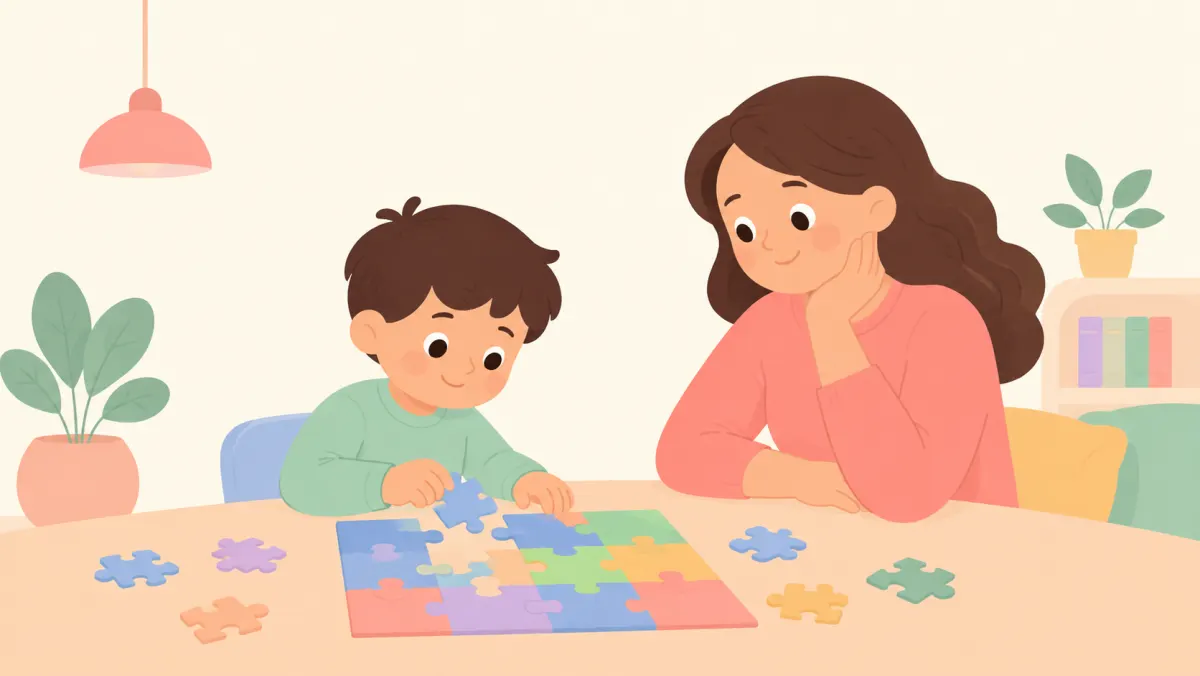
Yes, keep it concrete and brief. A young child can understand comments about continuing to fit a puzzle piece or putting on shoes independently. Describe exactly what you saw instead of using abstract labels about talent, intelligence, or personality.
Practical ideas from our team, not medical advice. For anything about your child's health, sleep, or development, please check with your pediatrician.
Turn today's idea into their own story
Make a 1-minute animated story where your child is the hero.
Start A Story