

Why effort matters more than winning
Young athletes make effort visible. A child misses a shot, loses balance, or forgets a play, then gets another chance to try. That repetition teaches something bigger than the sport itself. Progress often looks ordinary while it is happening. It can be one cleaner pass, one stronger lap, or simply staying focused a little longer than last time.
Parents can reinforce that lesson by noticing the work behind the result. Instead of only saying, You won, try pointing out what changed through practice. Maybe your child kept going after a mistake or listened carefully to a coach. This kind of attention helps children connect improvement with actions they can repeat, rather than seeing success as something they either have or do not have.
How practice builds real confidence
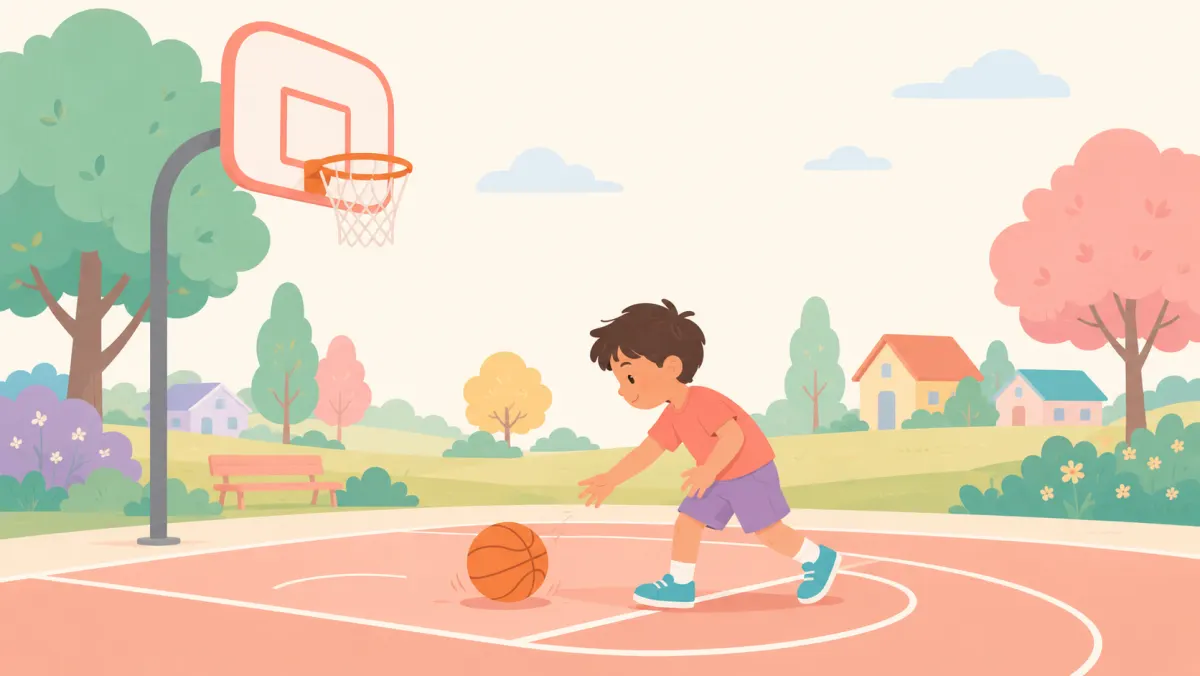
Confidence in sports usually grows from doing the same useful things again and again. A child who practices dribbling, swimming, serving, or balancing gets evidence that effort can change what feels difficult. The skill may still be imperfect, but the child can remember what used to feel harder. That comparison gives confidence a practical base.
At home, parents can support this by asking about one thing that felt easier today than last week. The answer does not need to be dramatic. Maybe a child remembered where to stand or stayed calm after dropping the ball. Small signs of progress help children see that practice is not punishment. It is how unfamiliar actions slowly become more comfortable.
What losing can teach a child
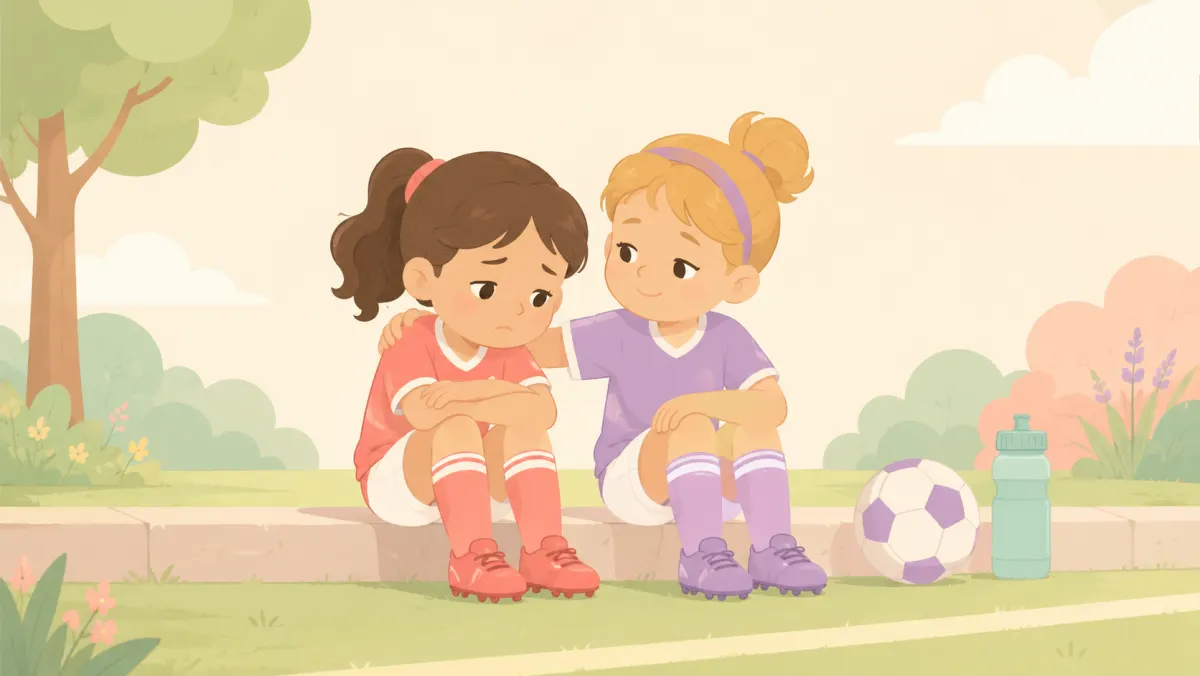
Losing is uncomfortable, especially for children who care deeply about doing well. Sport gives them repeated, manageable chances to experience that feeling and move forward. A game can end badly without making the whole season a failure. A child can feel disappointed, talk about what happened, and still return to practice with something useful to work on.
Parents do not need to rush in with a speech after every loss. Sometimes a simple question works better, such as, What felt hardest today? Later, when emotions have settled, you can help your child name one part they want to improve. The goal is not to erase disappointment. It is to show that one result does not decide what happens next.
How parents can praise effort well
Effort praise works best when it is specific. Saying, Good job, is kind, but it does not tell a child what they actually did well. Saying, I saw you keep running even when you were tired, points to a behavior the child can recognize. The same is true for patience, listening, teamwork, and trying a new skill.
It also helps to avoid praising effort when the effort was careless or unfocused. Children notice when praise does not match reality. A better response might be, You had a tough practice today, what do you want to try differently next time? That keeps encouragement honest. Kids sport motivation is stronger when children feel supported without being told that every attempt was perfect.
What sports teach beyond the field
The habits children practice in sports can show up elsewhere. Waiting for a turn can help in group work. Listening for instructions can help during class. Breaking a skill into smaller parts can make homework or music practice feel less overwhelming. The lesson is not that every child needs to become competitive. It is that repeated effort can become a familiar way of learning.
Parents can make those connections gently. If a child is frustrated by a school project, remind them how a sports skill improved after several tries. Keep the comparison short and practical. Children are more likely to use the lesson when it feels relevant, not like a lecture. The most useful message is simple: hard things often get easier when you keep working at them.
Parents also ask
How do I motivate my child in sports without pressure?
Focus on what your child can control, such as practice, listening, teamwork, and trying again after mistakes. Ask what they enjoyed and what they want to improve. Keeping your attention on learning, rather than scores or comparisons, makes encouragement feel supportive instead of demanding.
What should I say after my child loses a game?
Give them a little space if they are upset, then keep the conversation simple. You can acknowledge the disappointment and ask what felt difficult. Later, help them choose one thing to practice next. Avoid turning the ride home into a long review of every mistake.
What if my child wants to quit a sport?
Start by asking what is making them want to stop. They may be bored, frustrated, tired of the schedule, or simply interested in something else. Listen before persuading. You can discuss finishing a current commitment, taking a break, or trying another activity that suits them better.
Practical ideas from our team, not medical advice. For anything about your child's health, sleep, or development, please check with your pediatrician.
Turn today's idea into their own story
Make a 1-minute animated story where your child is the hero.
Start A Story