
What Do Science Fair Projects Teach Kids
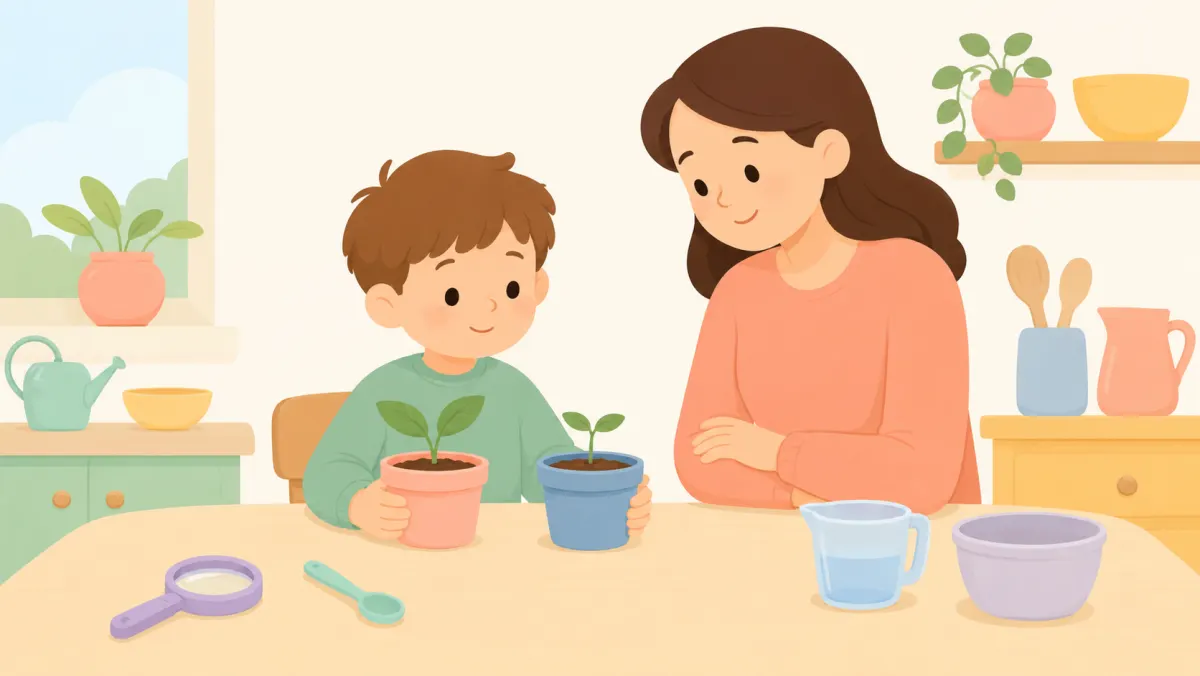
A science fair project asks a child to move from a broad curiosity to a question they can actually test. That shift matters. Instead of only wondering why ice melts faster in one place, a child has to decide what to compare, what to keep the same, and what to observe. Parents can often see the first signs of organized problem solving in those choices.
The finished display may look polished, but the useful learning often happens earlier, when a child changes a plan that is too complicated or notices that a test was not fair. Those moments show flexible thinking. Children begin to see that solving a problem is rarely about guessing the right answer first. It is about making a reasonable plan, checking it, and improving it.
How Do Kids Choose Fair Tests
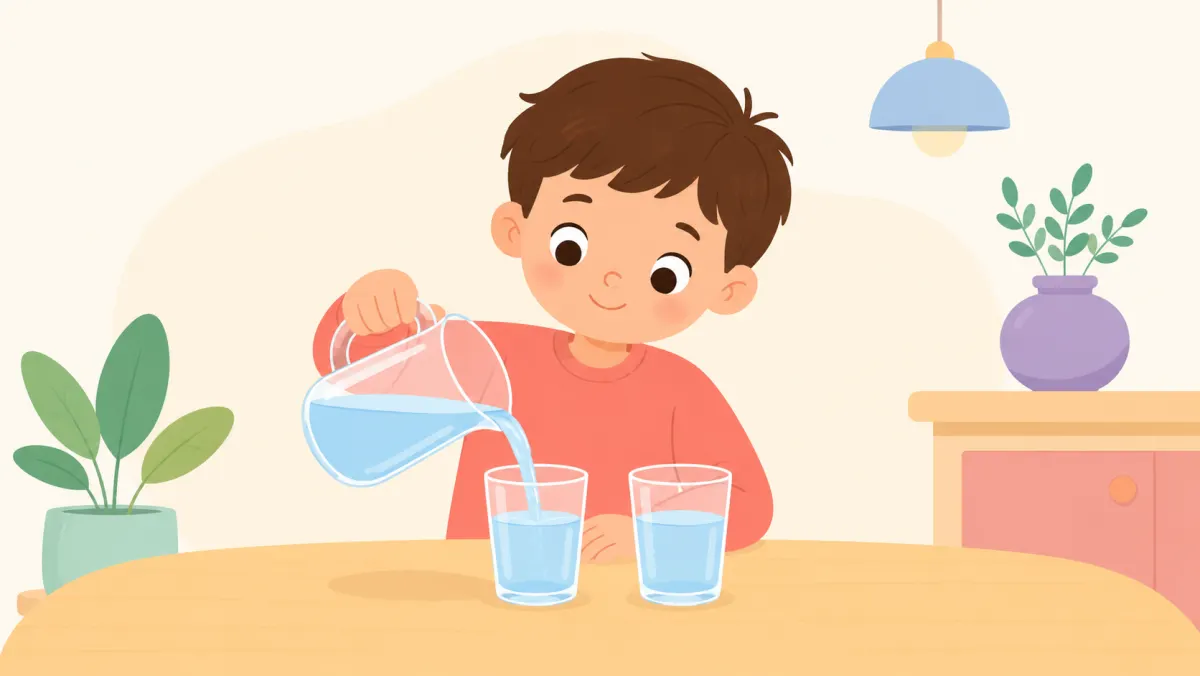
One of the hardest parts of kids science fair projects is deciding how to make a comparison fair. Children may want to change several things at once because they are excited to see what happens. A parent can help by asking a simple question: what is the one thing you want to change? That keeps the child in charge while making the test easier to understand.
This kind of planning teaches children to separate what they are changing from what they are watching. They also learn why repeated observations matter. The goal is not perfect laboratory work. It is learning that a clear question needs a clear method. When a child can explain why two tests were set up similarly, they are showing a stronger grasp of cause and effect.
What Happens When Experiments Go Wrong
Science fair work often includes spills, weak results, forgotten steps, or ideas that do not work the way a child expected. Those setbacks can be more valuable than a smooth project. A child has to decide whether to repeat the test, simplify the question, or accept that the result is different from the original guess. That is practical problem solving in a form children can see.
Parents can help most by resisting the urge to rescue the project too quickly. Asking what the child noticed, what changed, and what they might try next keeps the focus on thinking rather than performance. A project that needs revision can teach persistence without turning the experience into a lesson about winning. The real progress is in how the child responds to uncertainty.
Why Explaining Results Builds Better Thinking
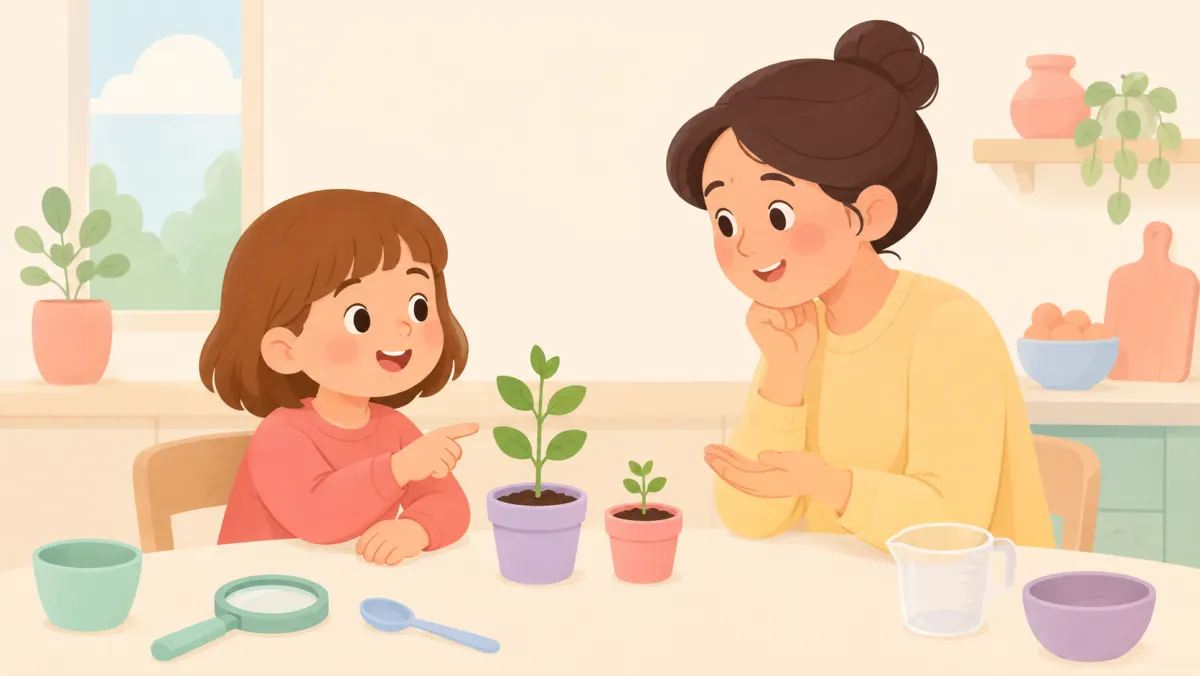
At the end of a project, children usually have to explain what they did and what happened. That step is more than presentation practice. Putting the process into words forces a child to organize events in order, separate observations from guesses, and notice where the plan changed. If they can explain the project simply, they often understand it more clearly themselves.
Parents may notice that a child spots new questions while talking about the results. Explaining why one material worked better, why a prediction changed, or why a test should be repeated can reveal the quality of the child's thinking. The best conversations are not about sounding impressive. They are about helping a child tell the story of a problem from question to evidence to conclusion.
How Can Parents Support Science Fair Work
Parents are most helpful when they provide structure without taking over. That can mean helping gather safe household materials, making time for repeated tests, or asking the child to explain the plan before starting. It can also mean accepting a simple project. A small question that the child understands is more useful than a complicated project mostly designed by an adult.
Try to praise specific thinking instead of the final display. You might notice that your child changed one part of the method, kept careful track of observations, or found a clearer way to explain the result. This shows that effort and reasoning matter. When children feel ownership of the process, science fair work can become a practical lesson in curiosity, planning, and learning from mistakes.
Parents also ask
Should parents help with kids science fair projects?
Yes, but the child should remain the main decision maker. Parents can help with safe materials, scheduling, and questions that clarify the plan. Avoid designing the experiment or rewriting the conclusion, because the value comes from the child making choices and explaining them.
What if my child's science fair experiment does not work?
A result that does not match the prediction is still useful. Ask what your child observed and what they would change if they repeated the test. This keeps attention on evidence and adjustment instead of making success depend on getting the expected outcome.
How can I tell what my child learned from a science fair?
Ask your child to explain the original question, what changed during the project, and what the results made them wonder about next. Their explanation can reveal how well they planned, noticed patterns, revised ideas, and connected evidence to a conclusion.
Practical ideas from our team, not medical advice. For anything about your child's health, sleep, or development, please check with your pediatrician.
Turn today's idea into their own story
Make a 1-minute animated story where your child is the hero.
Start A Story