
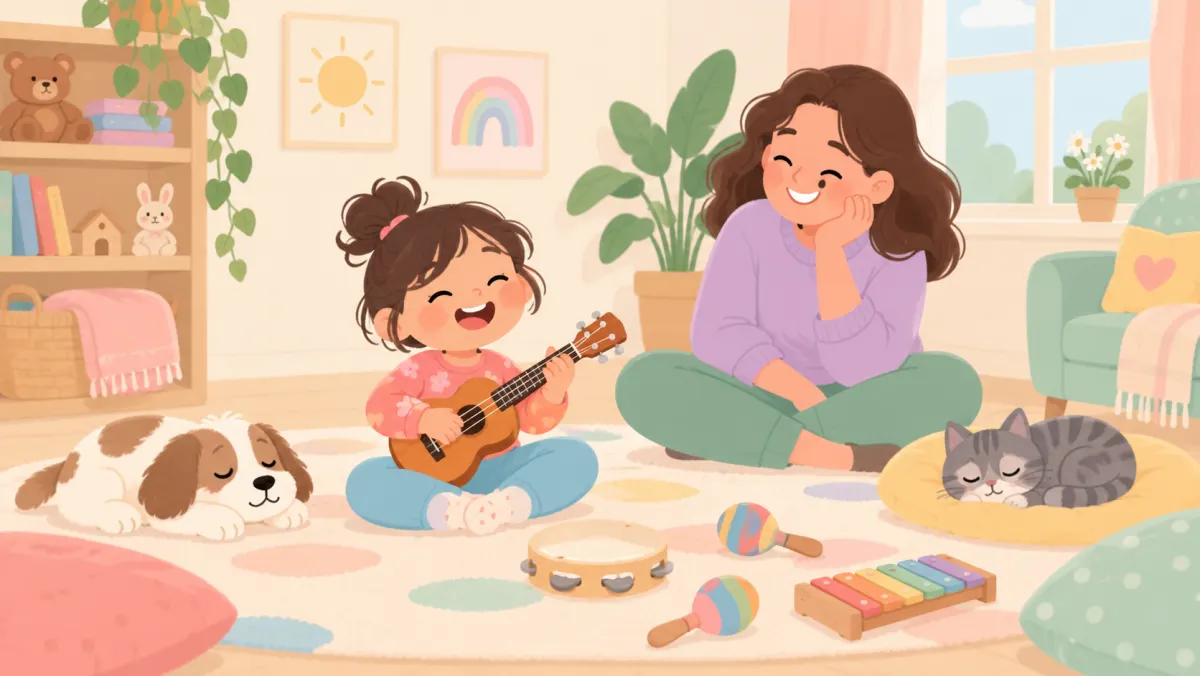
Why some kids love practicing music
Children who love an instrument often practice because they enjoy discovering sounds, songs, and small improvements. They may repeat a tricky part many times because the process itself feels rewarding, not only because someone asks them to finish a task during their regular practice sessions at home or lessons.
Their routines can look different from a child who is only practicing for a deadline. A music-loving child might create personal goals, listen closely to favorite songs, and notice details in rhythm, tone, or timing while building skills through small moments of focused daily effort.
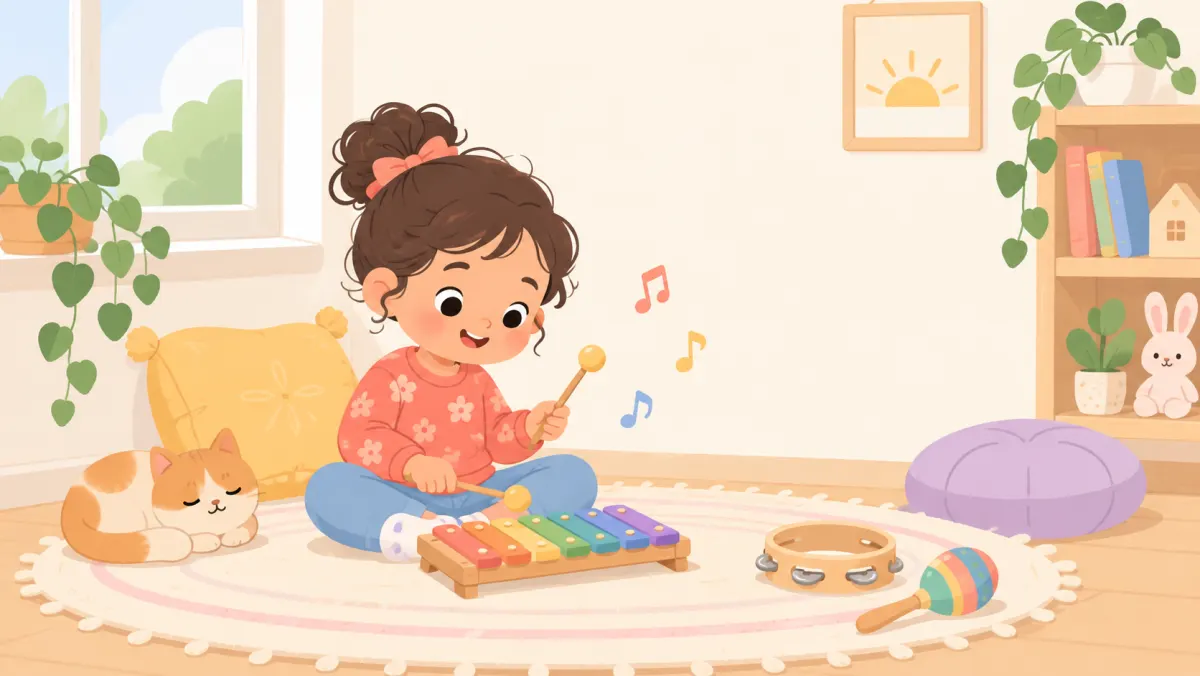
How interest changes practice habits
When children feel interested in an instrument, they often look for ways to spend more time with it. They might play a favorite melody, experiment with sounds, or return to a difficult section because they want to hear progress for themselves.
Parents can notice these signs and make room for curiosity. Asking what part of a song they enjoy or what they want to learn next can make practice feel more personal and less like a routine assignment.
What makes music practice feel rewarding
Many children enjoy practice when they can see small wins along the way. Playing a smoother section, learning a new note, or finishing a familiar song can create a sense of accomplishment that encourages them to continue.
A helpful practice space does not need to be perfect. A quiet corner, a consistent time, and encouragement for effort can help children feel comfortable returning to their instrument and making steady progress.
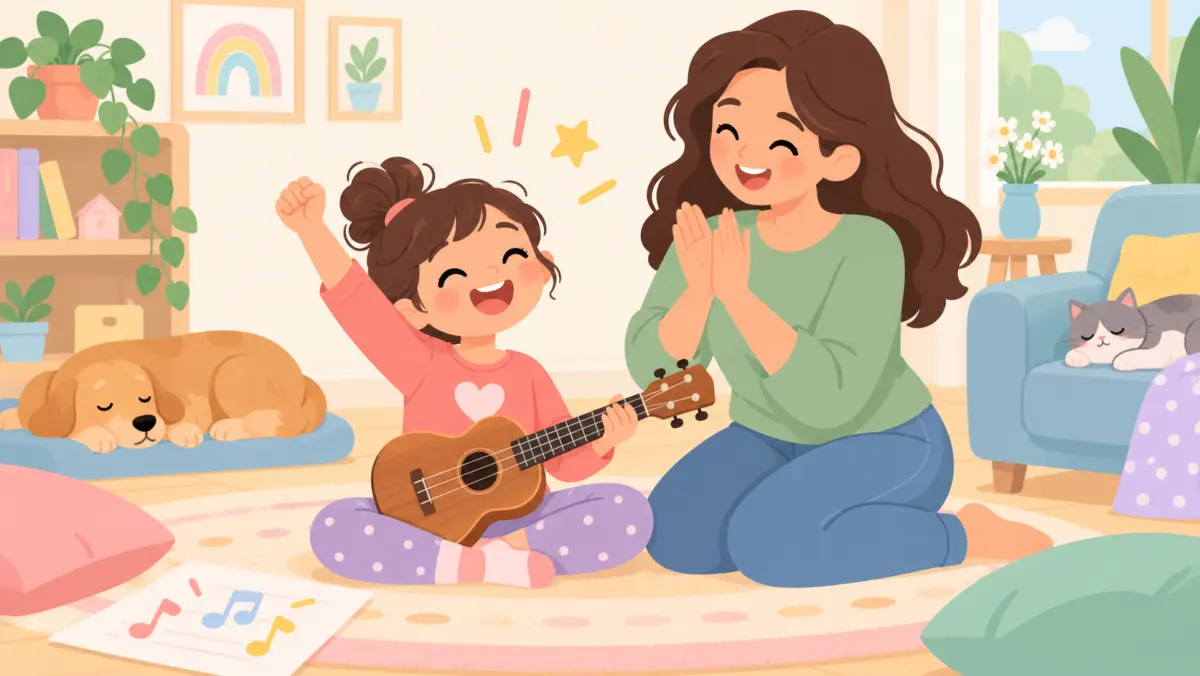
How parents can support young musicians
Parents can support instrument practice by showing interest without taking control of every session. Simple questions about what a child is learning or enjoying can open conversations and help children feel proud of their work.
It can also help to celebrate commitment rather than only the final performance. Recognizing patience, attention, and repeated attempts teaches children that improvement comes from spending time with something they care about.
Can practice become a child's passion
A child's relationship with music can grow when they have chances to explore and make choices. Playing different songs, hearing performances, and sharing music with others can help keep their interest alive.
Passion usually develops through many small experiences rather than one big moment. When children connect practice with enjoyment and discovery, they are more likely to keep returning to their instrument with confidence.
Parents also ask
Why does my child practice music more when they choose the song?
Children often feel more motivated when they have some ownership over what they play. Choosing a song can make practice feel connected to their interests, which may encourage more focus and enjoyment.
How can I encourage instrument practice without pressure?
Parents can create a supportive routine by offering reminders, asking about progress, and noticing effort. Keeping conversations positive can help children see practice as a chance to grow rather than a chore.
What if my child loses interest in their instrument?
Interest can change over time, and that is common. Parents can explore new songs, different practice approaches, or conversations about what the child enjoys most about making music.
Practical ideas from our team, not medical advice. For anything about your child's health, sleep, or development, please check with your pediatrician.
Turn today's idea into their own story
Make a 1-minute animated story where your child is the hero.
Start A Story