

How do I prep the night before
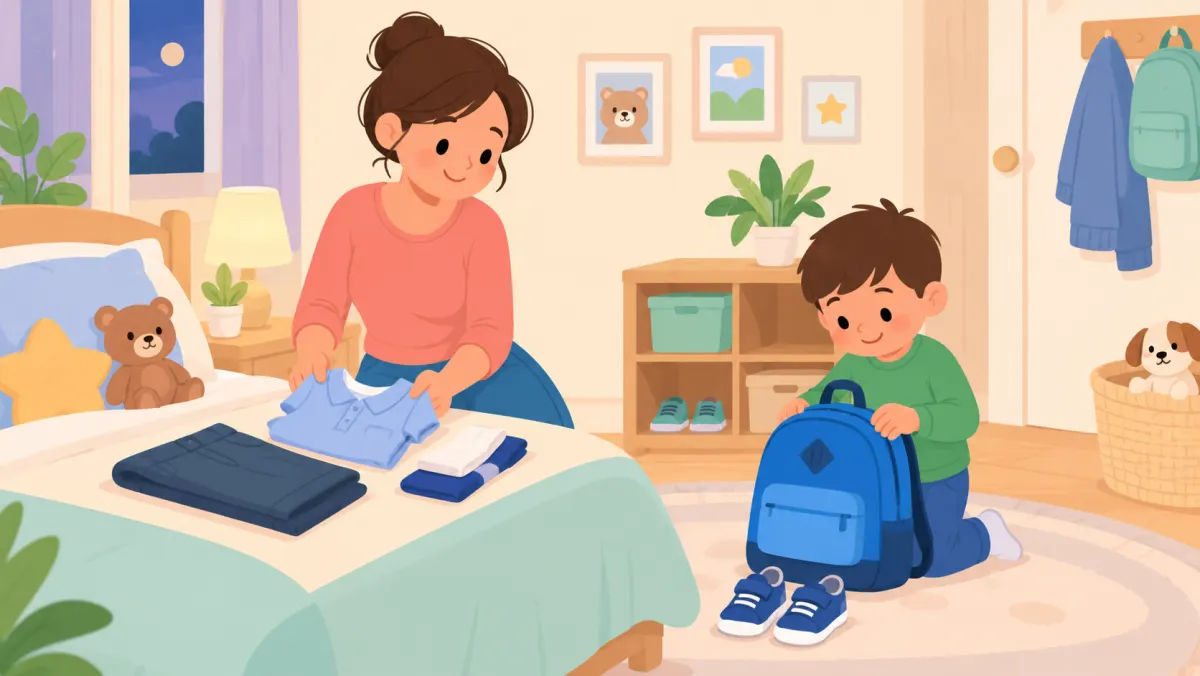
Start by removing decisions from the morning. Before bed, lay out each child's clothes, pack backpacks, sign any school papers, fill water bottles, and put shoes by the door. Keep everything in the same places each night so nobody has to hunt for a library book or clean socks while the clock is ticking.
Then decide breakfast before you go to sleep. Set out bowls, cups, and anything shelf stable, and put refrigerated items together on one fridge shelf. If your child takes lunch, pack as much as you safely can at night. Ten quiet minutes of evening setup can prevent several separate delays the next morning.
What order should kids get ready
Use the same simple order every school day so children are not constantly asking what comes next. A practical sequence is bathroom, get dressed, breakfast, brush teeth, hair, shoes, backpack, then wait by the exit. Choose an order that fits your home, but keep it steady enough that everyone can learn it without repeated reminders.
For younger children, give one instruction at a time instead of calling out five jobs across the house. Older kids can handle a short routine they repeat independently. If one step often causes trouble, move it earlier. Shoes that always disappear belong near the door, and slow hair brushing should happen before coats are on.
How much time should mornings allow
Work backward from the time you truly need to leave, not the time school begins. Include travel, parking, walking to the entrance, and a small cushion for ordinary surprises. Then estimate how long breakfast, dressing, bathroom time, and final gathering usually take on a normal day, not your family's fastest possible day.
If mornings still feel rushed, change the start time before adding more reminders. Waking everyone ten minutes earlier is often simpler than trying to make every task faster. Protect that extra time from chores or screens. It is there so a spilled drink or missing mitten does not turn into a full household scramble.
How can kids stay on track
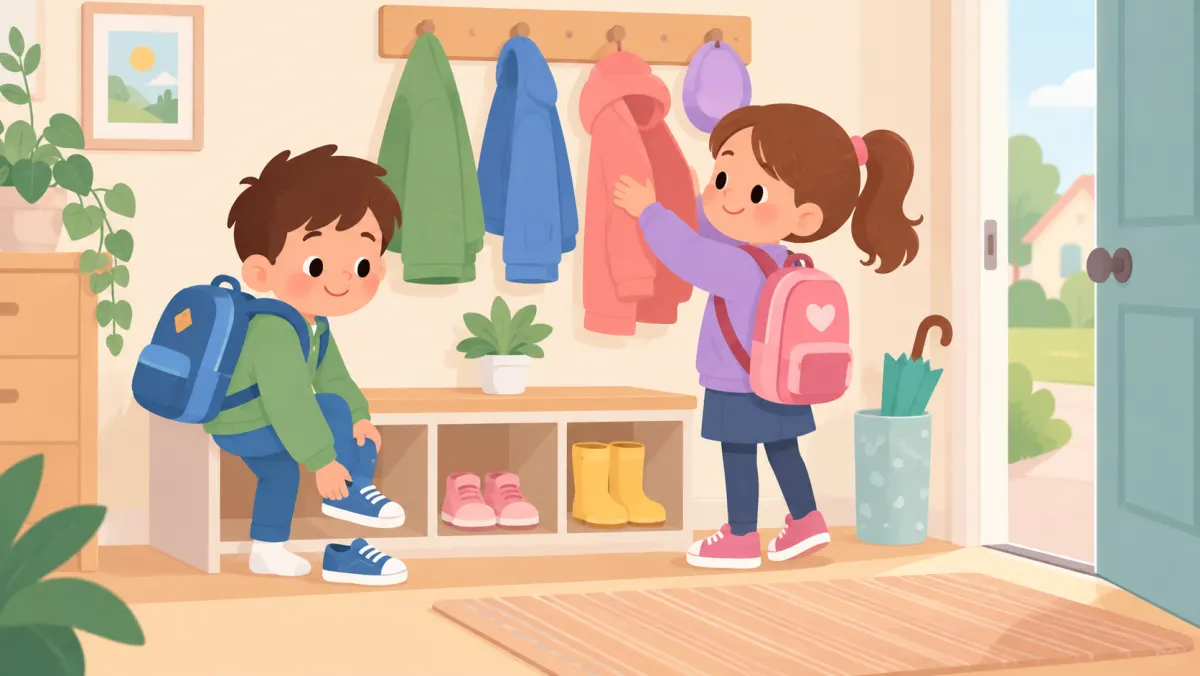
Make the routine visible through the setup of the room. Put toothbrushes where they are easy to reach, keep breakfast choices simple, place backpacks on one hook, and create one launch spot for shoes, coats, and school items. The fewer places children need to search, the easier it is for them to keep moving without constant supervision.
Use short, calm cues that name the next action instead of repeating the whole morning plan. Say, First get dressed, then breakfast, or Shoes and backpack now. When your child finishes a step without prompting, notice it briefly. The goal is not a perfect morning. It is helping the routine become familiar enough that fewer words are needed.
What should I do when plans change
Keep a small backup plan for mornings when someone oversleeps, the weather changes, or a school item is suddenly needed. Choose one fast breakfast, one easy outfit, and one emergency lunch option you can use without debate. Knowing your fallback choices ahead of time keeps one surprise from forcing ten new decisions before leaving home.
After a rough morning, fix the point of friction instead of giving everyone a bigger lecture. If permission slips are forgotten, add them to the backpack check at night. If breakfast takes too long, narrow the choices on school days. Small changes made after real problems are more useful than trying to design a flawless routine all at once.
Parents also ask
What time should my child wake up for school?
Start with the time you need to leave and work backward through breakfast, dressing, bathroom time, and getting out the door. Add a small cushion for normal delays. If the routine still feels rushed after a few days, move wake-up time slightly earlier.
Should kids have screen time before school?
If screens make it harder for your child to stop, dress, eat, or leave on time, keep them off until the school routine is finished. Some families do fine with a short, predictable window. The useful rule is simple: screens should not compete with getting ready.
What if my child refuses the morning routine?
Keep instructions short and focus on the next step rather than the whole routine. Offer limited choices when possible, such as choosing between two shirts or two breakfasts. If the same step causes conflict every day, change the setup or timing instead of adding more reminders.
Practical ideas from our team, not medical advice. For anything about your child's health, sleep, or development, please check with your pediatrician.
Turn today's idea into their own story
Make a 1-minute animated story where your child is the hero.
Start A Story