
What should I do first?
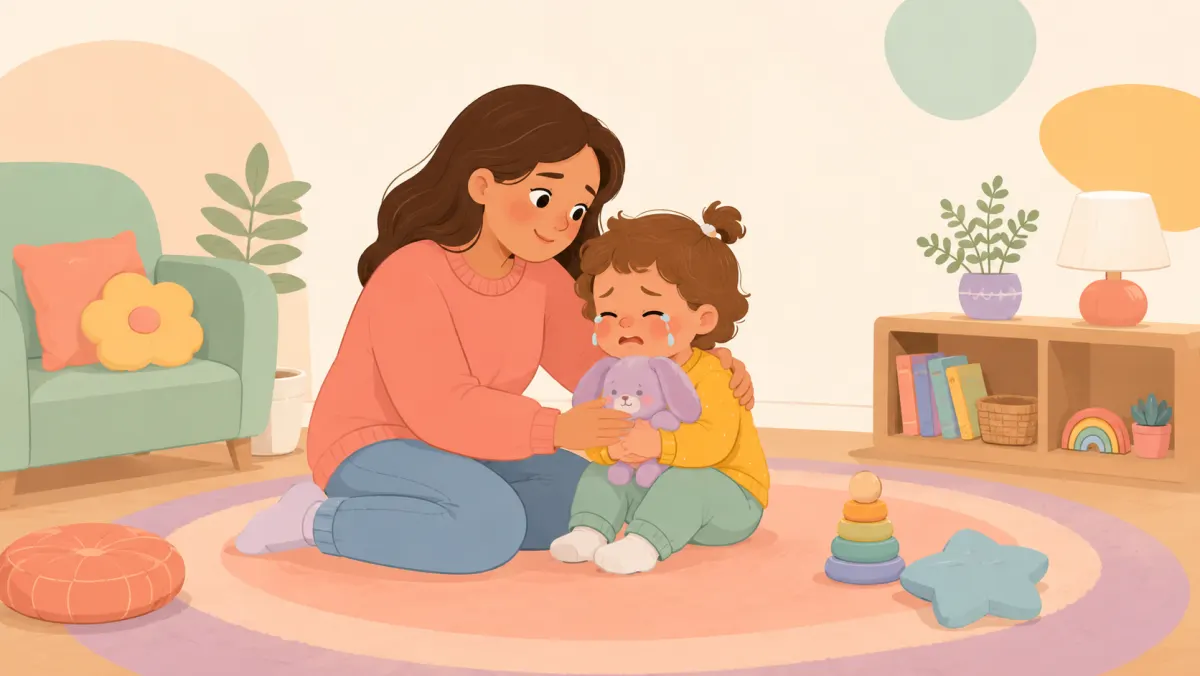
Start by making the space safe and lowering your own volume. Move hard or sharp objects out of reach, stay close, and use one short sentence such as, I am here. You do not need to explain the whole situation while your child is shouting. A steady face, quiet body, and simple words give them less to process while the feeling is at its loudest.
If your child is safe, resist the urge to fix the feeling immediately. You can stay nearby without bargaining, lecturing, or asking lots of questions. Some toddlers want closeness, while others need a little space. Keep your message simple and predictable. You are available, the limit is still the limit, and the big feeling is allowed to pass without turning the moment into a power struggle.
How do I stay calm?
Use one small physical reset for yourself before you respond. Drop your shoulders, unclench your jaw, and take one slow breath. Then speak more quietly than you feel like speaking. Your child may not calm down right away, but your steadiness keeps the moment from becoming two overwhelmed people reacting to each other. Think of your job as holding the boundary without adding extra heat.
It can also help to choose a phrase you use every time. Something like, You are upset, and I am staying with you, gives you a script when your own brain feels overloaded. Repeating one familiar sentence is often more useful than inventing new explanations. You do not need to sound perfectly patient. You only need to stay predictable enough for your child to borrow some of your calm.
Should I give choices during tantrums?
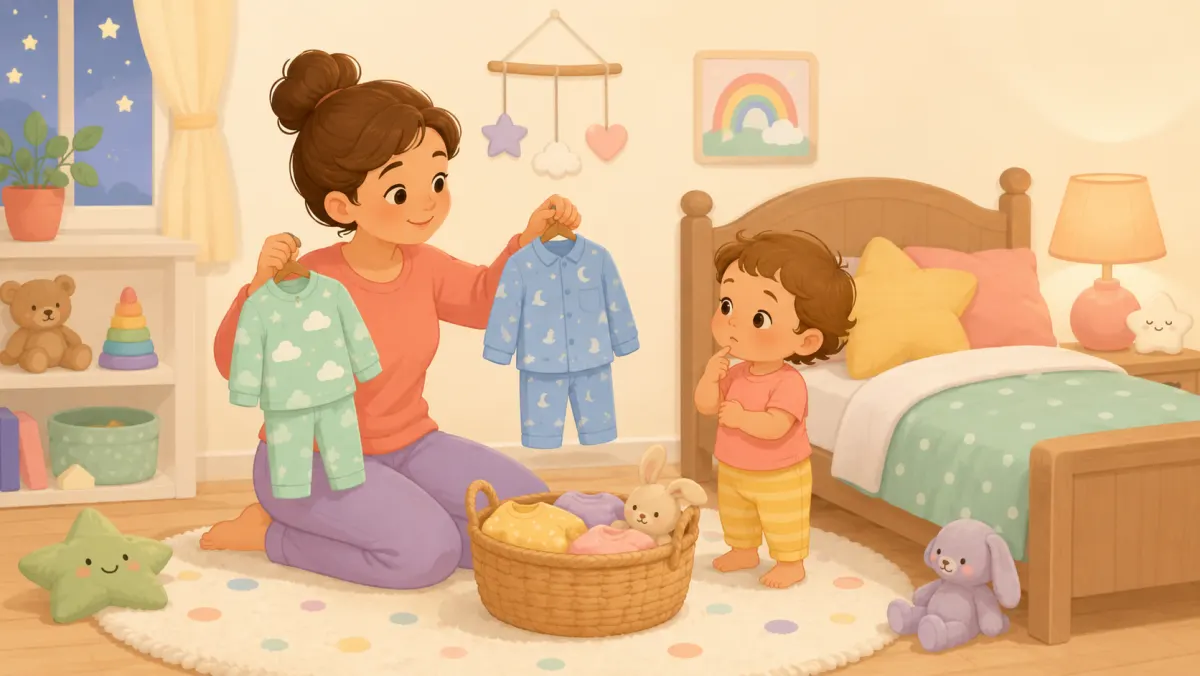
Choices can help when they are small, real, and offered before your child is completely overwhelmed. Instead of asking an open question, offer two acceptable options. You can walk to the bath, or I can carry you. You can wear the blue pajamas, or the green ones. The choice gives a little control without moving the boundary you already set.
If your child is already screaming or unable to answer, pause the choices. Too many words can feel like more pressure. Wait until the intensity drops, then offer one simple next step. The point is not to use choices as a trick to stop crying. It is to make the path forward easier to understand once your child has enough calm to respond.
What do I say afterward?
When the tantrum is over, keep the reunion warm and brief. You might say, That was a big feeling. You were very upset when playtime ended. Then move into what comes next, such as pajamas, water, or a cuddle. You do not need a long lesson right away. Reconnection helps your child feel secure without pretending that hitting, throwing, or other hurtful actions were acceptable.
Later, when everyone is settled, you can name one simple alternative for next time. You can say, When you are mad, you can stomp your feet or ask for help. Keep it concrete. Toddlers learn through repetition, not one perfect talk. The goal is to give them a tiny tool they can practice again and again, while you keep showing them that feelings and limits can exist together.
How can I prevent some tantrums?
Look for the everyday pressure points that make evenings harder. Hunger, tiredness, rushed transitions, and sudden changes can lower a toddler's tolerance quickly. You cannot prevent every tantrum, but you can make common trouble spots more predictable. Give a short warning before switching activities, keep snacks and bedtime reasonably consistent, and avoid stacking several difficult transitions when your child is already worn out.
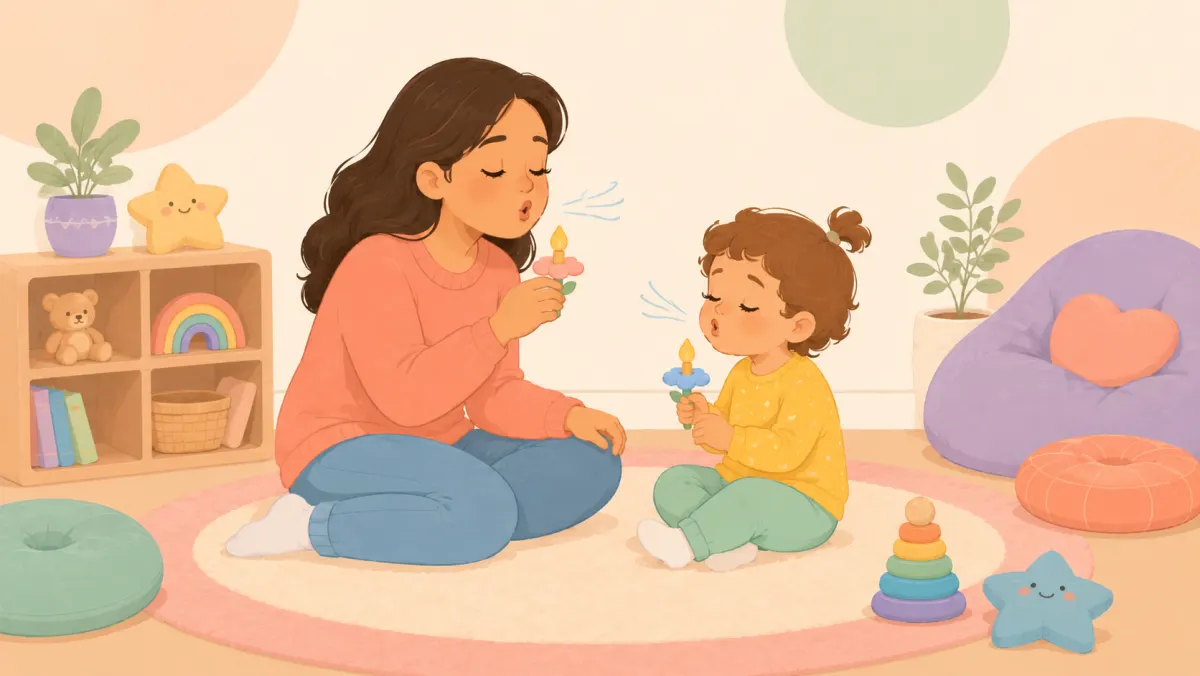
It also helps to build a few simple calming routines when your child is already happy. Practice blowing pretend candles, squeezing a pillow, choosing a quiet corner, or asking for a hug. These are not magic fixes during a full meltdown, but familiarity matters. A tool practiced during calm moments is easier to remember later, especially when you use the same words and routine each time.
Parents also ask
Should I ignore a toddler tantrum?
You do not have to ignore your child completely. Stay nearby, keep them safe, and avoid feeding the tantrum with arguments or repeated bargaining. You can be calm and present while still holding the limit. If they want space, give a little space without disappearing.
What if my toddler hits or throws things?
Block unsafe behavior as calmly as you can and use very few words. Move objects away, hold the boundary, and say something simple such as, I will not let you hit. Once your child is calmer, reconnect first, then briefly show a safer action they can use next time.
How long should I talk about the tantrum afterward?
Keep the first conversation short. Name the feeling, restate the limit if needed, and move on to the next part of the routine. Later, you can practice one better response during a calm moment. Toddlers usually learn more from repetition than from a long explanation after an exhausting meltdown.
Practical ideas from our team, not medical advice. For anything about your child's health, sleep, or development, please check with your pediatrician.
Turn today's idea into their own story
Make a 1-minute animated story where your child is the hero.
Start A Story