

How can I create a homework routine?
A regular homework routine gives children a familiar pattern to follow each day. Choose a time that works for your family and keep the steps simple. A child may begin by putting away distractions, gathering supplies, and starting with the first small task instead of facing the whole assignment at once.
Young children often respond well when they know what comes next. A routine can include a snack, a short rest, homework time, and then a favorite activity. Keep expectations realistic and adjust the routine when your child has a different schedule or needs extra time during busy evenings.
What helps a child stay focused?
Focus is easier when children have clear goals instead of a large list of tasks. Help your child choose one small step to complete first, then check progress together. Simple encouragement can remind them that effort and practice are part of learning and that progress happens over time.
Avoid turning every moment into a reminder or correction. Sit nearby when needed, ask gentle questions, and let your child try solving problems independently. Giving children a little ownership can make homework feel less like a daily battle and help them build confidence with school tasks.
How should I set up the study space?
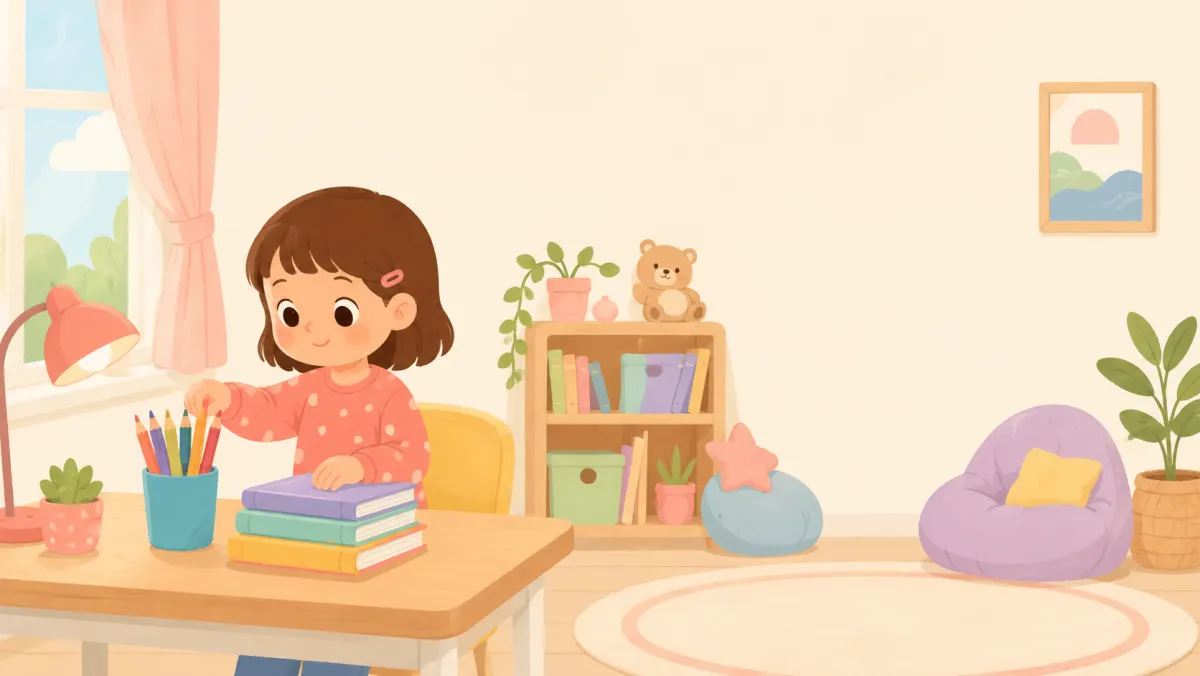
A helpful homework space does not need to be large or fancy. A clear table, comfortable chair, and needed supplies can make it easier for a child to begin. Removing loud distractions like television or unnecessary toys can also help create a calmer setting for learning.
Let your child help organize the space so they know where things belong. Keeping pencils, paper, and school materials in the same place saves time and reduces frustration when homework starts. A simple setup can support better habits over time and make starting work feel more natural.
How can I make homework less stressful?
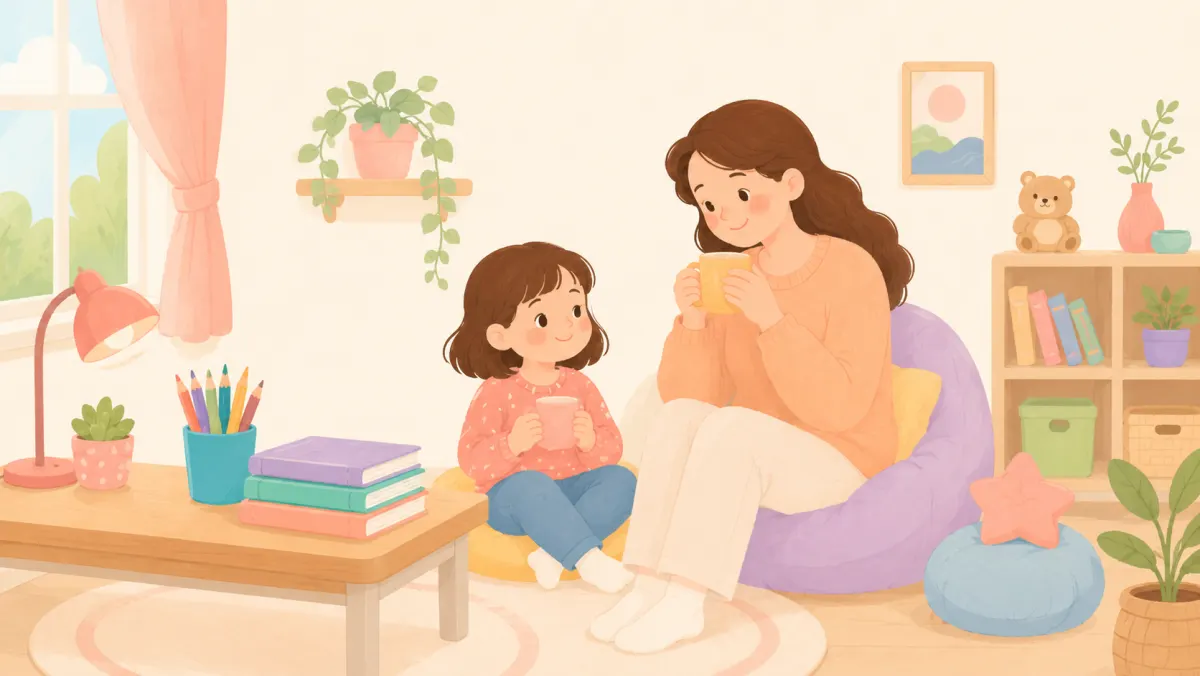
Homework can feel stressful when children are tired, confused, or unsure where to begin. Start by listening and asking what part feels difficult. Breaking a bigger assignment into smaller pieces can make the work seem more manageable for a young learner.
Try to keep your tone calm even when homework takes longer than expected. Children notice adult reactions, and a peaceful approach can help them stay comfortable while working through challenges. Celebrate finishing a task, not just getting every answer right, so effort feels meaningful.
When should I offer help with homework?
Children need different levels of support depending on the task and their comfort level. Offer help by explaining directions, asking questions, or checking work after they have tried. The aim is to support learning without taking over the assignment or solving every problem for them.
Pay attention to moments when your child needs a pause or a different explanation. A short conversation about what is confusing can help you provide the right support. Over time, children can build stronger habits when they practice completing tasks themselves with gentle guidance.
Parents also ask
How long should homework time be for a young child?
Homework time depends on the child, the assignment, and the family routine. Focus on creating a calm period for working rather than watching the clock. If your child is struggling, a short break and a fresh start may help.
What can I do when my child refuses homework?
Start by finding out what feels difficult instead of beginning with a conflict. Offer a small first step, stay calm, and help your child begin. A predictable routine can make homework feel more familiar over time.
Should I sit with my child during homework?
You can stay nearby when your child needs support, especially with new tasks. Try to guide with questions and encouragement instead of doing the work. As your child gains confidence, allow more independent practice.
Practical ideas from our team, not medical advice. For anything about your child's health, sleep, or development, please check with your pediatrician.
Turn today's idea into their own story
Make a 1-minute animated story where your child is the hero.
Start A Story