
How do I get their attention first?
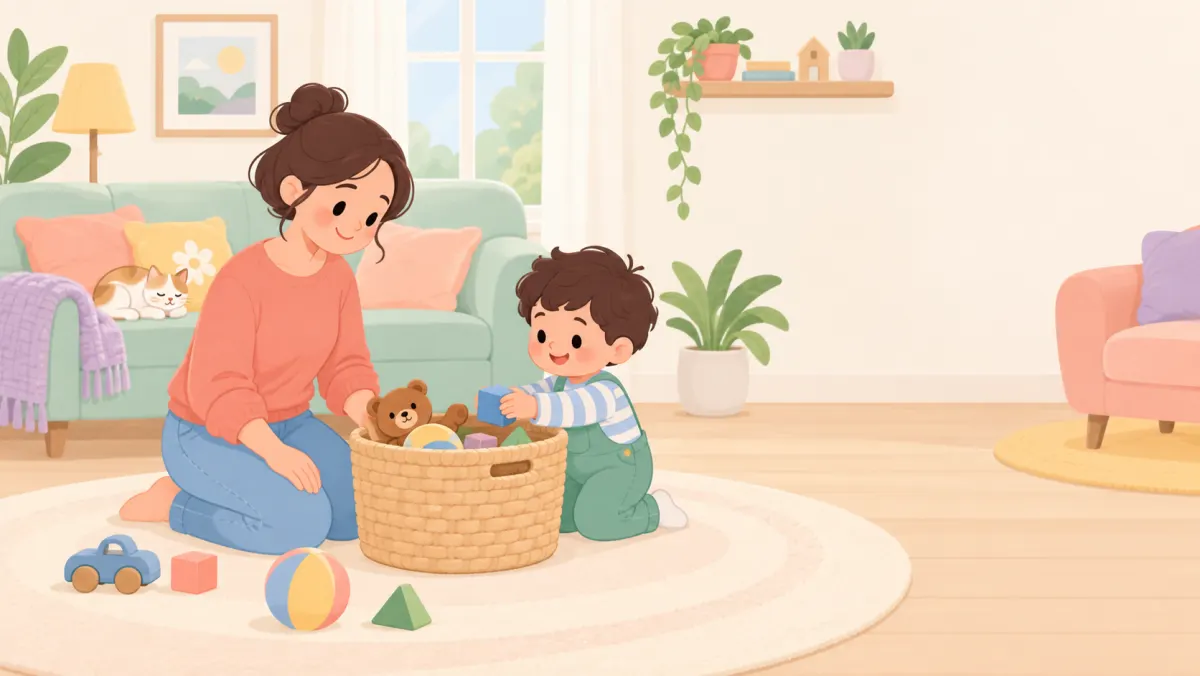
Before you give a direction, move close enough that your child can see you and pause what you are doing. Say their name once, wait for eye contact or a clear sign they are listening, then speak. Calling instructions from another room makes it easy for words to disappear under toys, screens, siblings, or simple distraction.
Keep the direction short enough to remember. Instead of stacking three jobs together, give one clear action such as, Put your shoes by the door. After that is done, give the next step. A calm voice and a brief sentence help your child know exactly what needs to happen without sorting through extra explanation.
What should I say the first time?
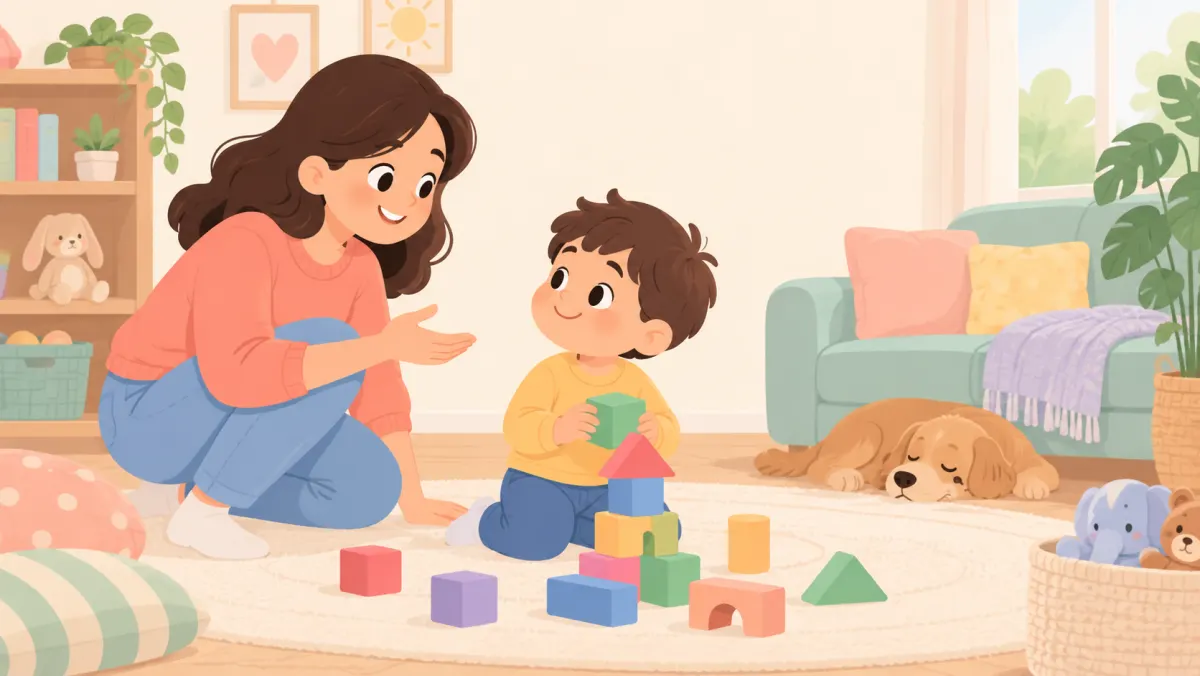
Kids often listen better when a request sounds like a clear direction instead of a question they can decline. If bath time is not optional, say, It is time to get in the bath, rather than asking whether they want a bath. Save choices for parts that truly are flexible, such as which pajamas to wear.
You can still offer control without giving away the boundary. Try, Shoes on now. Do you want the red pair or the blue pair? The task stays firm, while the small choice gives your child a useful role. This works best when you can accept either option and when you keep the choice simple enough to answer quickly.
How long should I wait before repeating?
After giving a direction, allow a short beat before repeating yourself. Children may need a moment to stop what they are doing, shift attention, and begin. If you repeat the same instruction five times in rapid succession, your child can learn that the first four do not really matter.
If nothing happens, go back, get close, and calmly restate the direction once. Then help the task begin if needed, such as handing over the backpack or pointing to the sink. Following through teaches that your words have meaning. The goal is not speed at any cost, but a steady pattern your child can predict.
How can I make transitions easier?
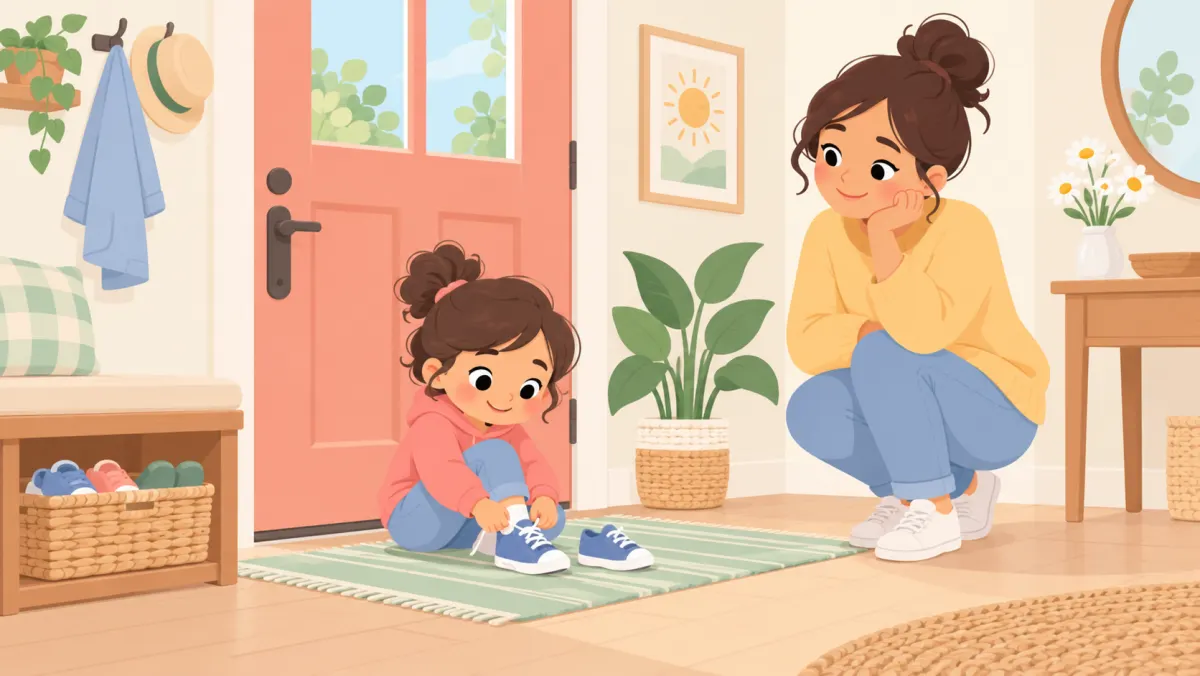
Transitions are harder when a fun activity ends without warning. Give a simple heads-up before common changes, such as leaving the playground, turning off a show, or getting ready for bed. A predictable sequence can reduce the shock of stopping and make the next direction easier to hear.
Keep transition language concrete. You might say, Two more turns, then shoes on, or, When this song ends, we clean up. Avoid long speeches about what is coming next. When the moment arrives, repeat the direction once and move into action. Consistency matters more than finding a perfect phrase every time.
What if I usually end up yelling?
If you usually raise your voice after several ignored requests, your child may start waiting for the louder version. Try lowering the intensity instead. Get close, use fewer words, and keep your tone steady. A calm direction can feel more serious when it is paired with reliable follow-through.
Notice and name the moments your child responds promptly. Keep it simple and specific, such as, You came when I called, thank you, or, You put the blocks away when I asked. This helps your child recognize the behavior you want repeated without turning every routine into a reward system.
Parents also ask
Should I expect my child to listen immediately every time?
Not every direction will get an instant response. Children are often busy, excited, tired, or focused on something else. Aim for a reliable routine instead: get close, make sure you have their attention, give one clear direction, wait briefly, and follow through calmly.
What if my child says no to every direction?
When a child says no, avoid turning the moment into a long argument. Restate the boundary in a short sentence, offer a small acceptable choice when possible, and help the next step begin. Keep your response calm and predictable so refusal does not create a bigger show.
How can I get siblings to listen at once?
Get everyone's attention before speaking, then give one shared direction and check that each child heard it. If the task has different parts, assign them clearly. For younger children, separate directions may work better than one group instruction, especially during noisy or exciting moments.
Practical ideas from our team, not medical advice. For anything about your child's health, sleep, or development, please check with your pediatrician.
Turn today's idea into their own story
Make a 1-minute animated story where your child is the hero.
Start A Story