
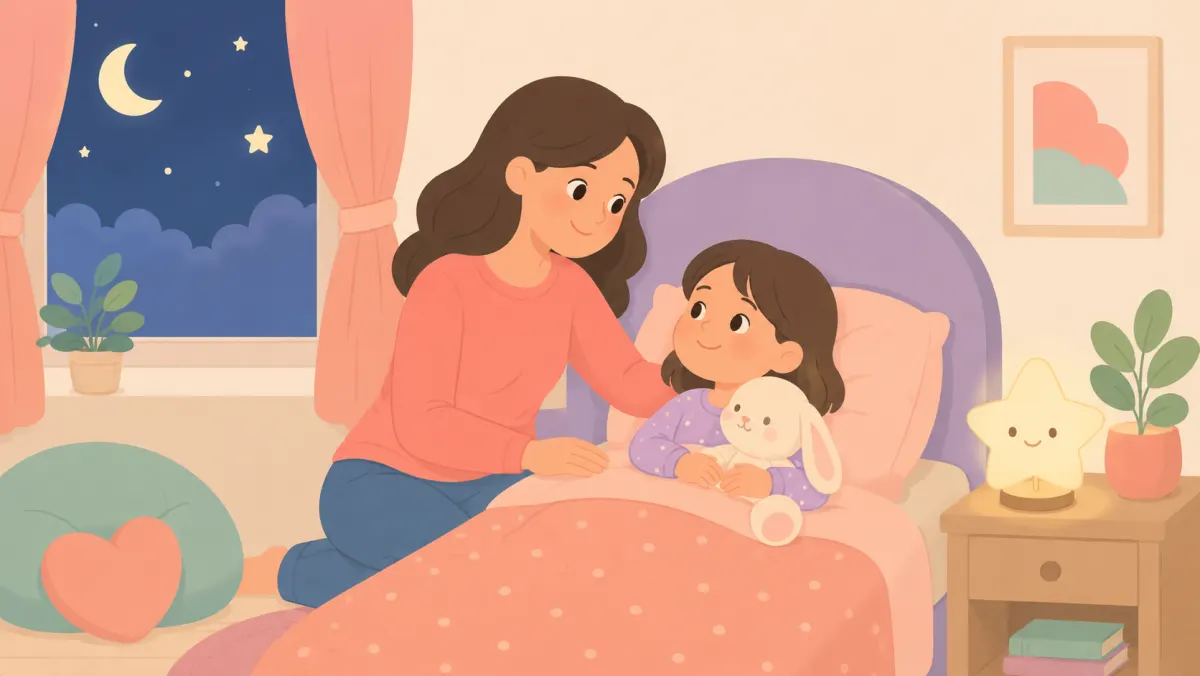
Why is my child afraid of the dark?
A child afraid of the dark may worry about things they imagine, notice unfamiliar sounds, or feel uneasy when a room changes after lights go out. These feelings can seem very real to them, even when the room is safe and familiar. Children often need patience while they learn that nighttime feels different from daytime.
Parents can respond by listening first instead of quickly dismissing the fear. A simple statement like acknowledging that the dark feels scary can help a child feel understood while you guide them toward comfort. Staying calm also shows that bedtime is a safe and predictable part of the day.
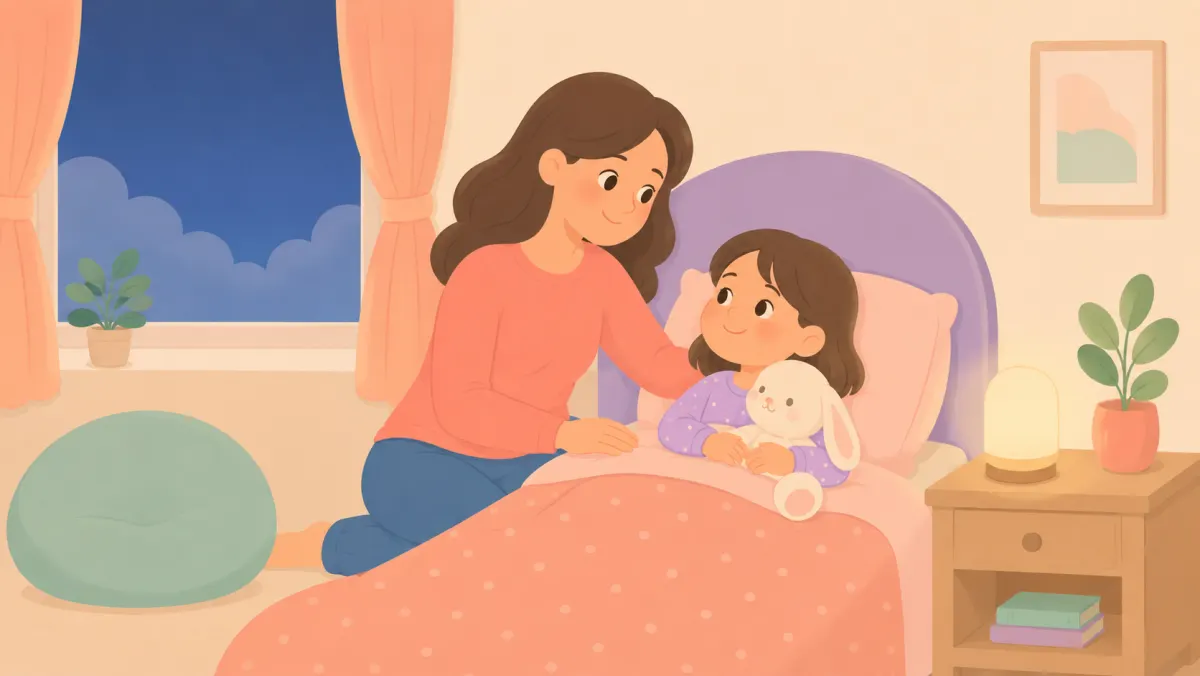
How can I create a calmer bedtime routine?
A predictable bedtime routine gives children familiar steps to follow each night. Bathing, pajamas, a story, and a short calming conversation can signal that it is time to rest and help the evening feel less uncertain. Repeating these small habits can make the transition from playtime to sleep feel smoother.
Keep the routine simple and repeat it in the same order when possible. Children often feel more comfortable when they know what happens next, especially during moments that usually bring worry. A peaceful ending to the day can help them settle without adding pressure to fall asleep quickly.
What helps children feel safe at night?
Small comfort tools can help a child feel more secure at bedtime. A favorite stuffed animal, a soft night light, or a special blanket can become part of a calming sleep environment. These familiar items can remind children that their room is a place where they can relax and feel protected.
It also helps to practice confidence during the daytime. You can talk about brave moments, create a pretend adventure, or imagine a story where your child handles a dark room calmly. These playful conversations can help children approach nighttime feelings with more confidence over time.
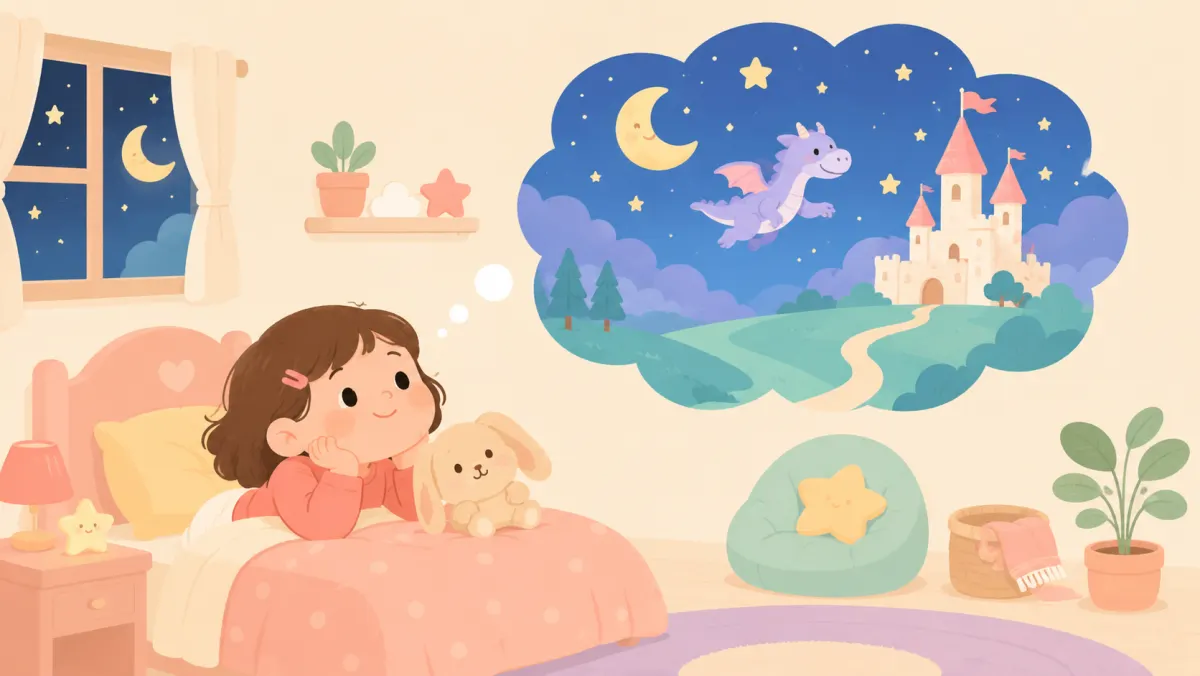
Should I check on my child at night?
Many parents wonder how much reassurance is helpful when a child calls out after bedtime. Short, calm check-ins can offer comfort while keeping the focus on returning to sleep. The way you respond can help your child learn that nighttime worries can pass without becoming a long interruption.
Try to keep nighttime visits quiet and predictable. A gentle reminder that the room is safe, followed by the usual bedtime steps, can help your child slowly become more comfortable staying in bed. Avoid turning the moment into a long conversation that makes waking up feel exciting.
How can stories help with bedtime fears?
Stories give children a way to explore worries from a safe distance. A child who sees themselves as the hero of a gentle adventure may find new ways to think about scary feelings. Story time can also become a comforting signal that the day is ending and sleep is near.
Personalized storytelling can make bedtime feel special by placing familiar details into a comforting story. A favorite character, setting, or adventure can help create a positive association with winding down for sleep. These moments give parents another way to connect before lights go out.
Parents also ask
What should I say when my child is afraid of the dark?
Start by acknowledging the feeling and offering reassurance. You can say that you understand the dark feels scary, then remind your child that they are safe and guide them through a familiar bedtime routine.
Is a night light helpful for a child afraid of the dark?
A night light can be a useful comfort for some children. Choose a soft light that does not make the room feel too bright, and let your child be part of deciding what feels comfortable.
How long do bedtime fears usually last?
Bedtime fears can change over time as children grow and gain confidence. Keeping routines calm and supportive can help children feel more comfortable while they learn to handle nighttime worries.
Practical ideas from our team, not medical advice. For anything about your child's health, sleep, or development, please check with your pediatrician.
Turn today's idea into their own story
Make a 1-minute animated story where your child is the hero.
Start A Story