
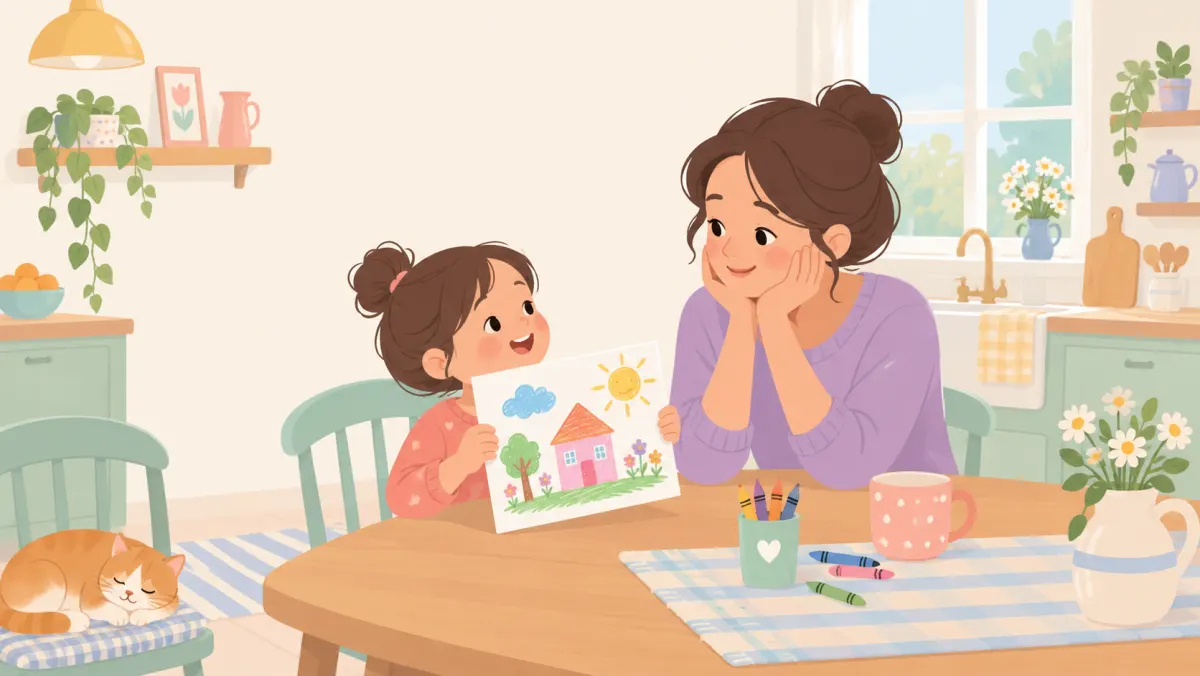
Notice small wins without pressure
Shy children often need time to feel comfortable before they join in. Start tonight by noticing small brave moments, like saying hello, sharing an idea, or trying something new. Describe what you saw instead of asking for a bigger performance. This helps your child recognize their own progress.
Confidence grows when children feel accepted as they are. Create simple moments where your child can succeed without an audience, such as choosing a bedtime story or helping prepare dinner. These everyday choices show that their voice matters and that they can take part at their own pace.
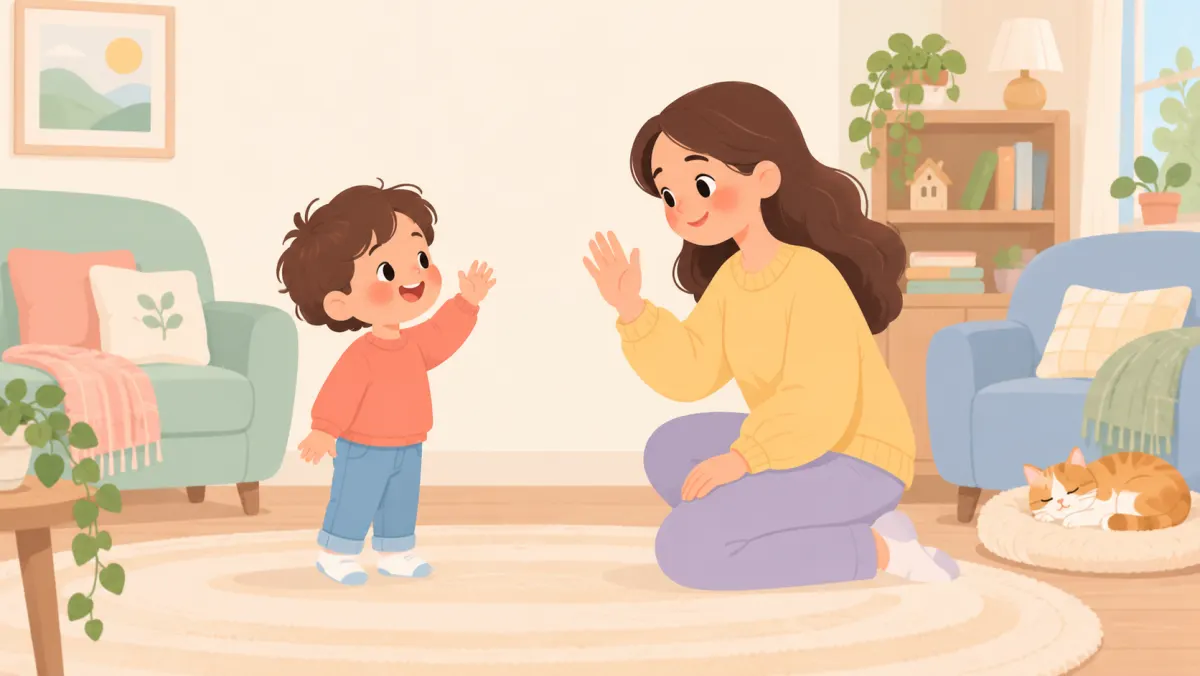
Create safe practice opportunities
Many shy children feel more confident when they can prepare before a new situation. Practice a greeting, a question they want to ask, or a way to join a game. Keep the practice playful and short, then let your child decide when they are ready to try it.
At home, build routines where speaking up feels normal. Ask for your child’s opinion about small choices, such as which snack to pack or which color to use for a drawing. Give them enough time to answer so they do not feel rushed or overlooked. This patience helps conversations feel safe and comfortable.
Avoid labeling your child as shy
Words shape how children see themselves. Instead of introducing your child as shy, describe the specific moment, such as needing a little time to warm up. This leaves room for growth and reminds your child that quiet moments are only one part of who they are.
Children can begin to believe the labels adults repeat around them. Show curiosity about their feelings and interests instead of focusing only on how much they talk. A child who feels understood is more likely to share thoughts when the moment feels right and when they know they will be accepted.
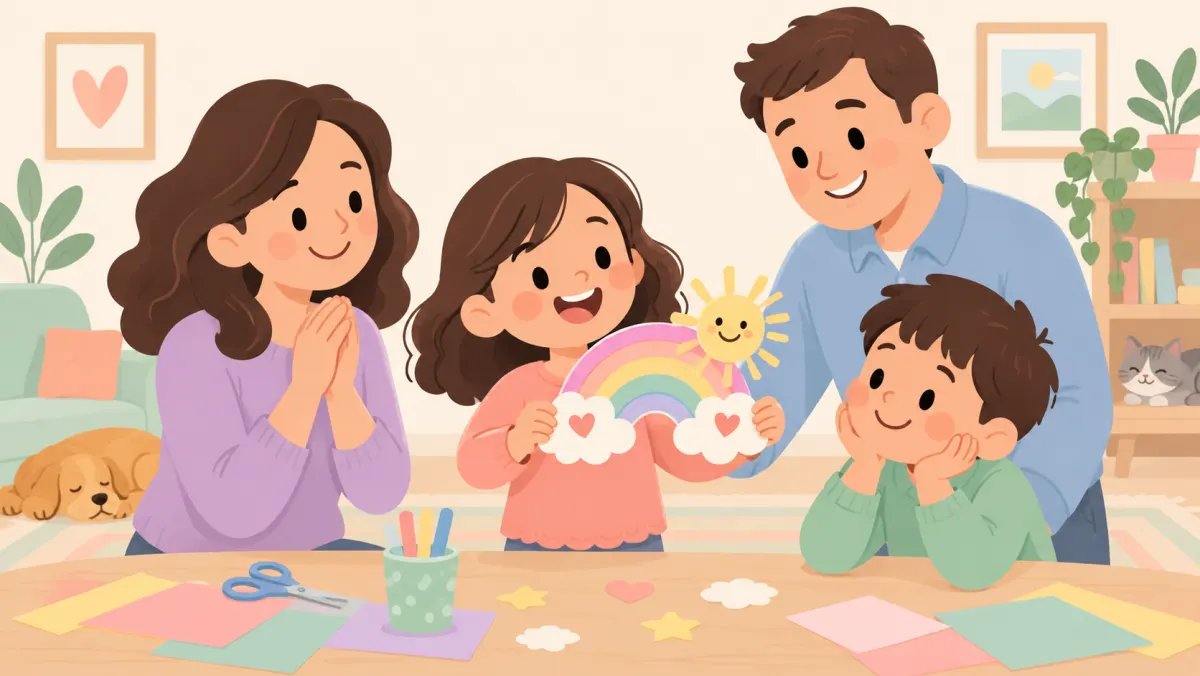
Help your child share their strengths
Quiet children often have thoughtful ways of joining the world around them. Notice what your child enjoys, whether it is drawing, building, reading, creating stories, or helping others. Give them chances to share these interests with people they trust and celebrate the effort they make.
Confidence does not require a child to become the loudest person in the room. Help your child see that kindness, creativity, patience, and careful listening are valuable qualities. When children understand their strengths, they have a stronger foundation for trying new things and expressing themselves in different ways.
Build confidence through daily connection
The most powerful confidence builders are often small moments of connection. Spend a few minutes each day talking, playing, or listening without distractions. When your child feels secure with you, they have a safe place to practice being themselves and expressing what they think.
Tonight, try ending the day with a simple question about something they enjoyed or handled well. Listen closely and avoid correcting the answer. These conversations teach your child that their ideas are welcome, which can make future social moments feel less intimidating and more manageable.
Parents also ask
How can I help my shy child speak up more?
Give your child regular chances to share opinions in low-pressure moments. Ask simple questions, wait patiently for answers, and celebrate their effort. Confidence often grows when children know they can speak without feeling judged.
Should I encourage my shy child to join every activity?
Encourage your child to try new experiences, but avoid forcing every situation. A gentle invitation, preparation, and support can help them feel ready while respecting their comfort level.
What should I say instead of calling my child shy?
Describe what you notice instead of using a label. You might say your child likes to observe first or takes time to feel comfortable. This helps them see themselves as capable of growing.
Practical ideas from our team, not medical advice. For anything about your child's health, sleep, or development, please check with your pediatrician.
Turn today's idea into their own story
Make a 1-minute animated story where your child is the hero.
Start A Story