
Start With Chores They Can Manage
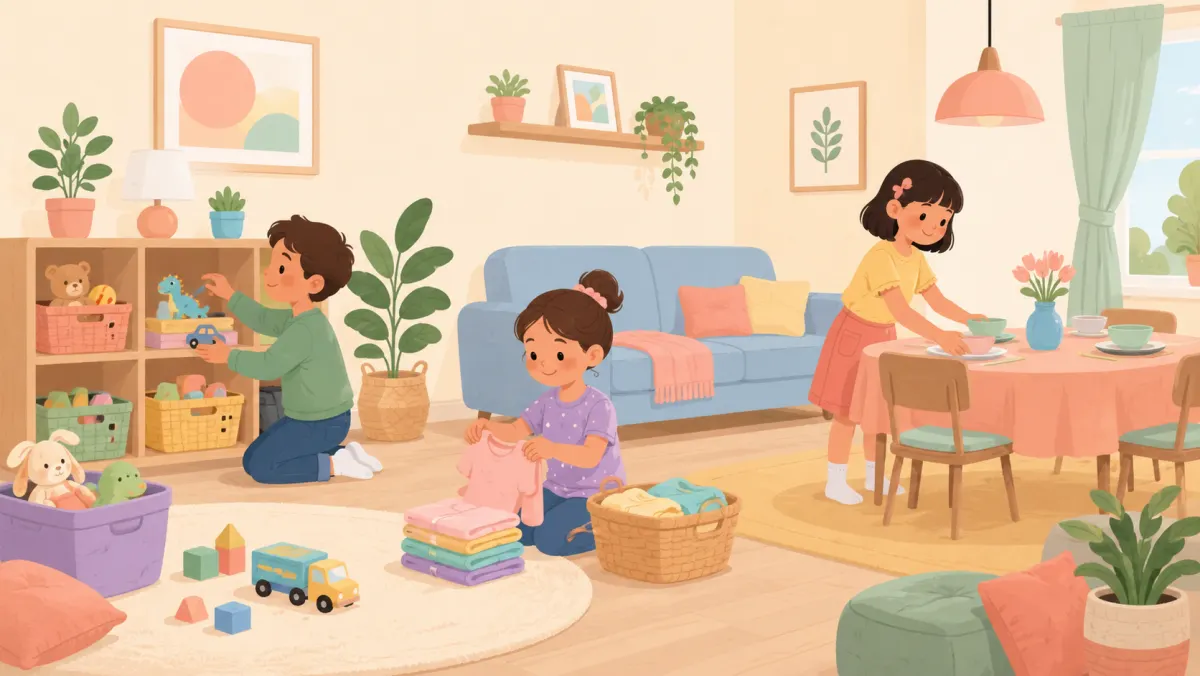
A child is more likely to finish a chore when the task feels clear and fits their abilities. Age appropriate chores for kids should begin with simple actions they understand, such as putting toys away, placing laundry in a basket, or feeding a family pet with help.
The goal is not a perfect result every time. A finished task builds confidence and shows children that their actions matter at home. Parents can choose one or two regular chores first, then add new responsibilities as children become comfortable and gives children a chance to see their progress over time.
What Chores Fit Each Age Group
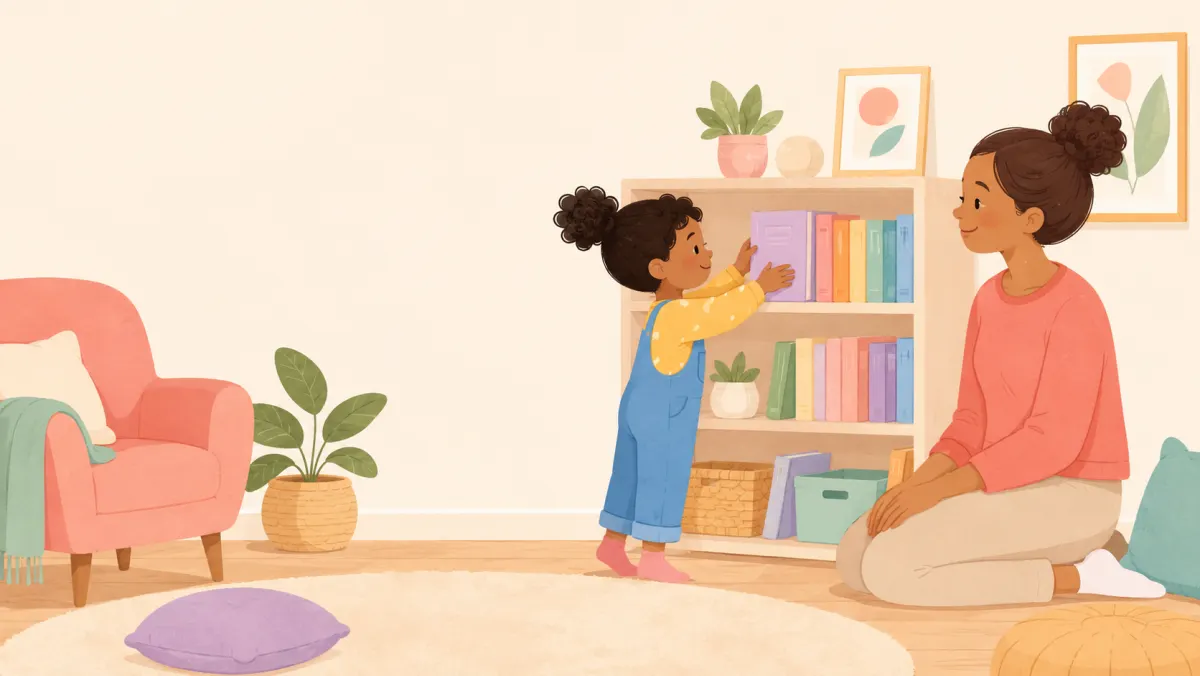
Toddlers can practice helping with small routines like putting books on a shelf, wiping a table with a cloth, or placing dirty clothes in a hamper. These tasks are short, supervised, and connected to things they already see family members doing each day with gentle support.
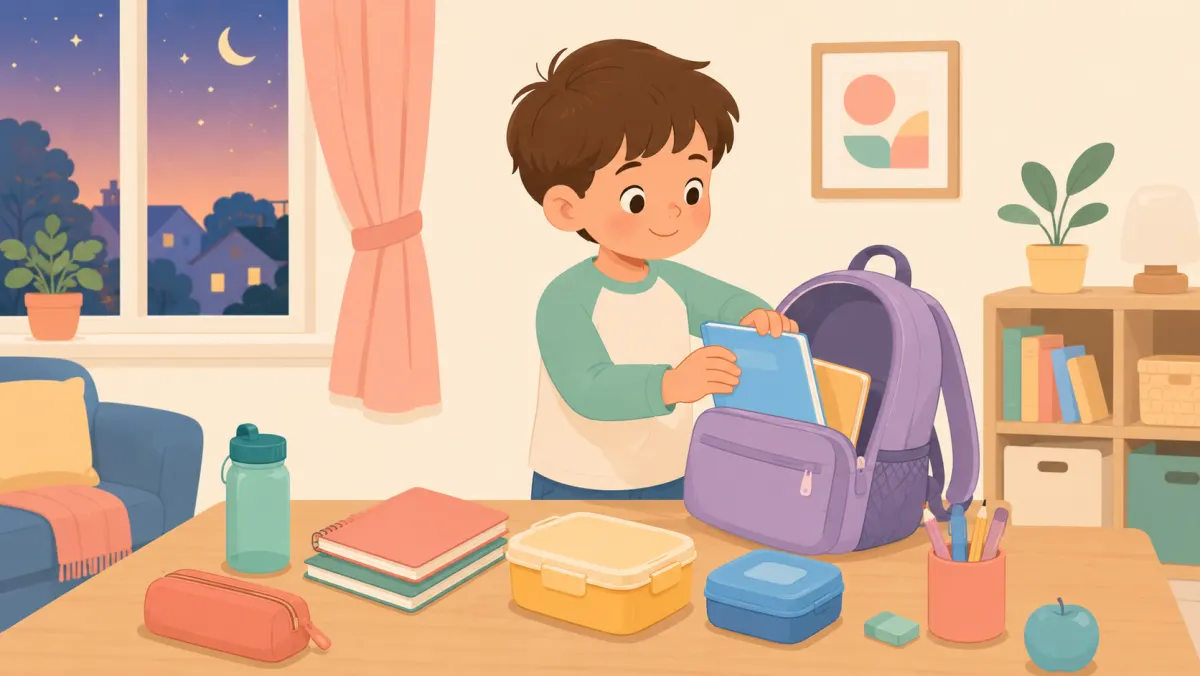
Young children in preschool and early elementary years can often handle longer routines, such as making a bed, sorting socks, packing a backpack, or helping set the table. The best chores are ones children can repeat often without feeling overwhelmed while building everyday family habits together.
How To Make Chores Easier
Children often avoid chores when instructions feel too large or unclear. Instead of saying clean your room, break it into smaller steps like picking up toys, placing books together, and putting clothes away. A simple routine helps children know what finishing looks like before moving on to more tasks.
Parents can also make chores part of predictable moments, such as tidying before dinner or putting items away after playtime. Consistency matters more than having many chores at once. A few completed habits can become a natural part of family life and create a calmer home routine.
Why Finishing Matters More Than Speed
A child who takes time to complete a chore is practicing responsibility, attention, and care for shared spaces. Rushing to fix every small mistake can make children less interested in helping, so parents can allow room for learning and gradual improvement through everyday experiences.
Praise the effort and the completed action instead of focusing only on how fast or neatly the chore was done. Simple comments about helping the family can make everyday tasks feel meaningful and encourage children to keep trying while developing a positive attitude toward responsibility.
How To Keep Chores Part Of Routine
Chores work best when they become a normal part of the day rather than a surprise request. Families can create a small routine around mornings, after school, or bedtime so children know when they are expected to help and what steps they can take.
As children grow, parents can adjust chores to match new skills and interests. A child who enjoys cooking may help prepare simple ingredients, while another may prefer organizing toys or caring for plants. The right chores give children a useful role at home and help them feel included.
Parents also ask
How many chores should a child have each day?
The number of chores depends on the child and family routine. Starting with one or two simple tasks is often easier than creating a long list. Children can take on more responsibilities as they become familiar with their routines.
What if my child refuses to do chores?
Try making the task smaller and giving clear instructions. Children may resist chores that feel too difficult or unclear. A calm routine, gentle reminders, and consistent expectations can help make helping feel normal over time.
Should children be rewarded for doing chores?
Families can choose different approaches, but children can also learn that helping is part of being in a family. Simple appreciation and noticing their effort can encourage cooperation without making every task depend on a reward.
Practical ideas from our team, not medical advice. For anything about your child's health, sleep, or development, please check with your pediatrician.
Turn today's idea into their own story
Make a 1-minute animated story where your child is the hero.
Start A Story